
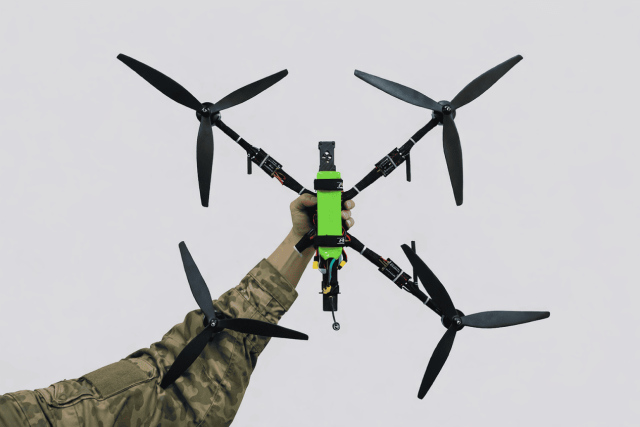
Comparative lead: an intimate lens on systems and purpose
The hush of a coastal dawn sometimes mirrors the quiet precision of a loitering system—small, patient, and exact—so begins a comparison between weapons that wait and defenses that hunt. This piece contrasts loitering munitions with active anti-drone concepts, mapping how autonomous flight control and sensor suites reshape battlefield roles while guiding procurement choices. For those scanning options, you can see practical listings like military drones for sale that reflect these trade-offs in hardware and software readiness.

Core anatomy: chassis, sensor stack, and payload intent
At heart, a loitering munition combines an airframe, a sensor stack, and a strike payload designed to loiter until a target signature appears. The airframe determines loiter time and range. Sensors—electro-optical/infrared and sometimes radar—define detection and acquisition envelopes. Payloads vary from kinetic warheads to electronic payloads for disruption. Each component shifts mission fit: a larger airframe increases loiter time but raises signature; advanced optics extend identification but add weight. These trade-offs are concrete, measurable, and essential to any selection matrix.
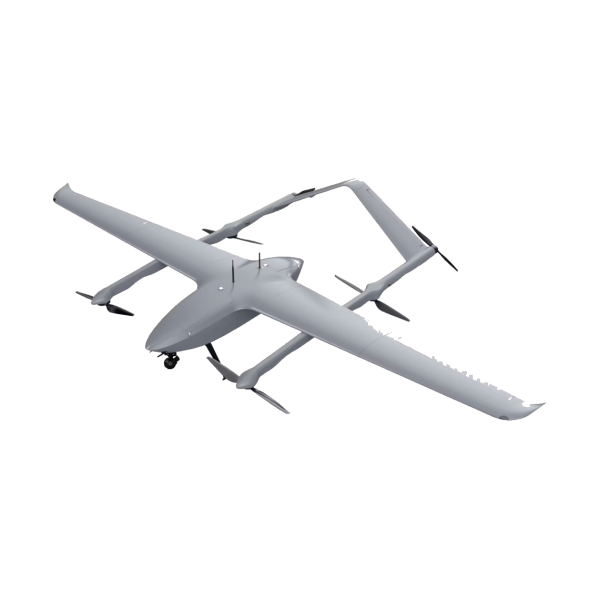
Autonomous flight controls: decision-making, navigation, and limits
Autonomous flight control ties the anatomy together: waypoint navigation, target tracking, and fail-safe behaviors. Modern stacks blend inertial measurement, GPS, and vision-based algorithms to maintain a track in contested airspace. GPS-denied navigation becomes critical where jamming is expected; here, visual odometry or terrain-relative navigation takes precedence. Software defines behavior more than metal; an elegant control law can reduce pilot workload and improve loiter efficiency. Yet autonomy brings predictable constraints—certified reliability, latency in target recognition, and the need for rigorous testing before real deployment.
Field comparisons and a hard-real anchor
Comparatively, loitering munitions and kinetic interceptors serve different philosophies: the former hunts with patience, the latter reacts with speed. Consider the 2022 conflict in Ukraine—where small loitering systems influenced localized air denial and reconnaissance—this real-world anchor shows how tactics evolved when autonomy met affordability. Systems that favor long loiter times enabled persistent threat windows, while faster interceptors required robust sensor networks to cue engagements. The choice often reflects doctrine: attrition and area denial versus quick neutralization.
Buying considerations and common mistakes
Procurement missteps repeat with steady rhythm: over-emphasizing headline specs, neglecting integration, and underestimating sustainment. A common error is selecting a platform solely for maximum loiter time without verifying sensor resolution under operational lighting conditions—performance at dusk matters. Another is ignoring logistics: spare parts, secure firmware updates, and operator training. For practical sourcing, it’s sensible to compare manufacturers on interoperability and software update cadence—if you plan to buy military drone assets, factor in lifecycle costs, not just unit price.
Comparative checklist: what to measure before you commit
Measure these before signing any contract:- Mission fit: loiter time versus response time.- Integration: command-and-control compatibility and data links.- Resilience: GPS-denied performance and electronic counter-countermeasures.These metrics convert poetic desire into operational reality—measurable, auditable, and decisive.
Three golden rules for sound selection
1. Prioritize mission metrics over maximum specs: choose loiter time that matches confirmed tasking, not theoretical best-case figures. 2. Demand demonstrable autonomy tests: require real-world trials that include navigation in degraded GPS conditions. 3. Insist on sustainment pathways: firmware, spare parts, and operator curricula must be contractually clear. Follow these and procurement moves from guesswork to engineering.
Adopting a system requires marrying human judgment to machine behavior; the right balance of autonomy, sensor fidelity, and logistics makes all the difference. — Thoughtful selection saves lives and budgets. Military Hub.