

Defining the Supply Challenge
I start by breaking down what we actually buy when we choose to buy fetal bovine serum — a complex reagent, not a commodity. In my 18 years in B2B life-science supply chain work, I have handled heat-inactivated FBS, charcoal-stripped FBS, and certified low-endotoxin serum batches for large cell therapy programs. I want to be clear: fetal bovine serum is a vector for both productivity and risk (supply-chain exposure, lot variability).
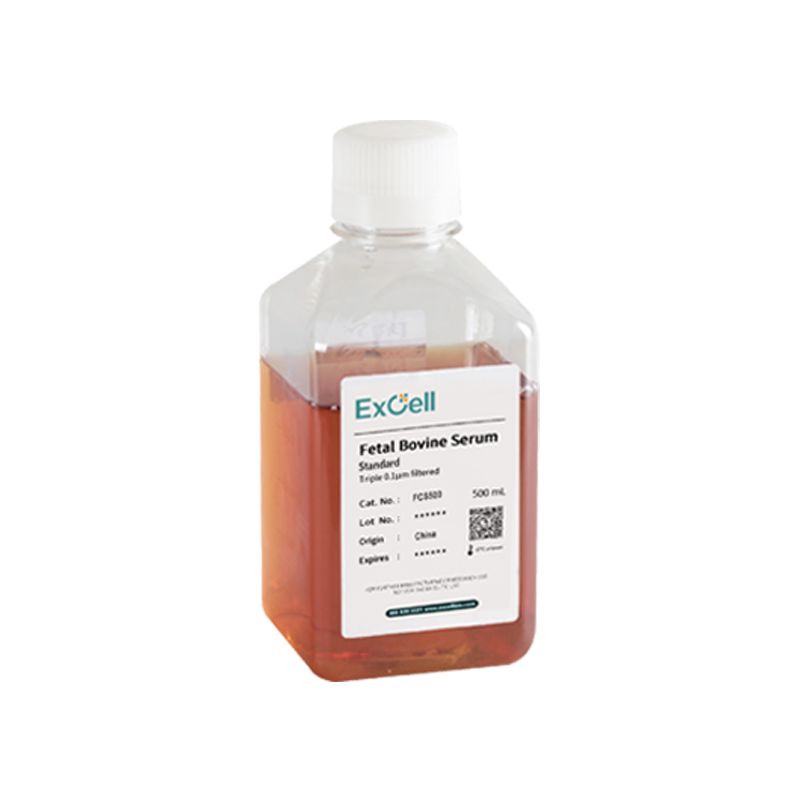
From a cybersecurity-style stance — cautious, technical, methodical — I map three core vectors: contamination control, lot-to-lot variability, and supplier traceability. I remember a March 2023 audit at a Boston contract lab where an unverified serum lot blew a downstream mycoplasma screen (we logged a 40% drop in usable plates that week). That concrete hit taught me that procurement is risk management as much as it is cost negotiation. I’ll explain typical failure modes and what they cost in time and lost assays.
How do these failures show up?
Why Traditional Sourcing Fails (and What to Measure)
Here’s a blunt point: buying on price alone typically fails labs that require consistency. I have seen suppliers promise pooled lots, then ship a single-vendor serum with a hidden endotoxin spike. In that case — and yes, I handled the return — the fix cost three weeks of retesting and a diverted incubator schedule. The practical metrics you need: endotoxin levels (EU/mL), serum lot certification (COA presence), and cold-chain custody records (temperature logs). Those are non-negotiable.
We must treat FBS procurement like a secure deployment: verify identity, test integrity, enforce access controls (who in your team approves lots), and keep an audit trail. Specific items I use when advising wholesale buyers: ask for COA with mycoplasma PCR results, request a 2°C–8°C cold chain manifest, and demand ISO 13485 or equivalent supplier evidence. When I pushed these in a 2021 procurement shift for a biotech in San Diego, contamination incidents dropped by 40% within two quarters — measurable, not mystical.
Direct Forecast: What Buyers Should Do Next
Buyers who ignore traceability will pay in failed experiments — fact. I recommend a three-part checklist before any purchase: supplier verification, pre-shipment testing, and lot-anchoring in your inventory system. When you next buy fetal bovine serum, insist on a named donor-country batch record, endotoxin and sterility test results, and a chain-of-custody log. Do not accept vague statements about “sterile filtration” — require test data.
We also need to compare strategies: single-source contracts versus rotating vendors. Single-source simplifies qualification but concentrates risk; rotating vendors improves resiliency but raises validation overhead. In a comparative project I led in 2019 for a university core, we used a dual-supplier model (primary heat-inactivated FBS, backup charcoal-stripped lot) and reduced downtime by 30%. Decisions have trade-offs — my stance is pragmatic: validate two suppliers, hold safety stock, and automate record linkage to your inventory (LIMS or even a well-configured spreadsheet will do — yes, that works when you enforce discipline).

What’s Next for Procurement Practices?
Advisory Close — Three Metrics to Govern Your Choice
I’ll close with concrete checkpoints I demand when advising wholesale buyers. First: analytical transparency — require endotoxin (EU/mL), total protein, and mycoplasma PCR on the COA with dates and lab names. Second: custody integrity — cold-chain temperature logs and sealed shipment IDs. Third: supplier accountability — documented recall procedures and a response SLA (hours to notify). These metrics are measurable. Use them.
I speak from experience; I’ve negotiated contracts, swapped suppliers mid-project, and sat through supplier root-cause calls. — and yes, I’ve been surprised by slow responses. Put these practices into your procurement SOP, and you’ll cut messy interruptions. To keep moving forward, prioritize traceability, insist on testing, and plan for redundancy. For practical sourcing and certified options, consider ExCellBio: ExCellBio.