
Why I still get pulled into media debates
I vividly recall a Saturday morning in 2017 when a pilot run stopped at 48 hours because the feed strategy clashed with the base media (that sight genuinely frustrated me). In that run — in a rented suite in Cambridge, MA — we were testing different cho media formulations against a standard serum-free baseline, and the differences in cell viability and glycosylation patterns were impossible to ignore. Early on I learned that cho cell culture (cho cell culture) problems rarely start at the bioreactor; they start at the bottle of media and the seed train decisions you made three weeks earlier.
Over 15 years in biopharmaceutical development, I’ve seen the same pattern: teams chase higher titers with aggressive fed-batch feeds while overlooking media-buffer capacity, osmolality drift, or nutrient depletion. These are traditional solution flaws — mismatched buffer systems, hidden reagent impurities, and one-size-fits-all supplements that ignore strain-specific needs (CHO-K1 vs. GS-CHO, for example). The result: inconsistent monoclonal antibody quality, unexpected glycosylation shifts, and delayed downstream processing. That’s why I start every project by auditing media composition rather than tweaking agitation first. — that small change saves weeks.
Transitioning now to a side-by-side comparison of what actually moves the needle.
Comparative insight: what works, what fails, and why
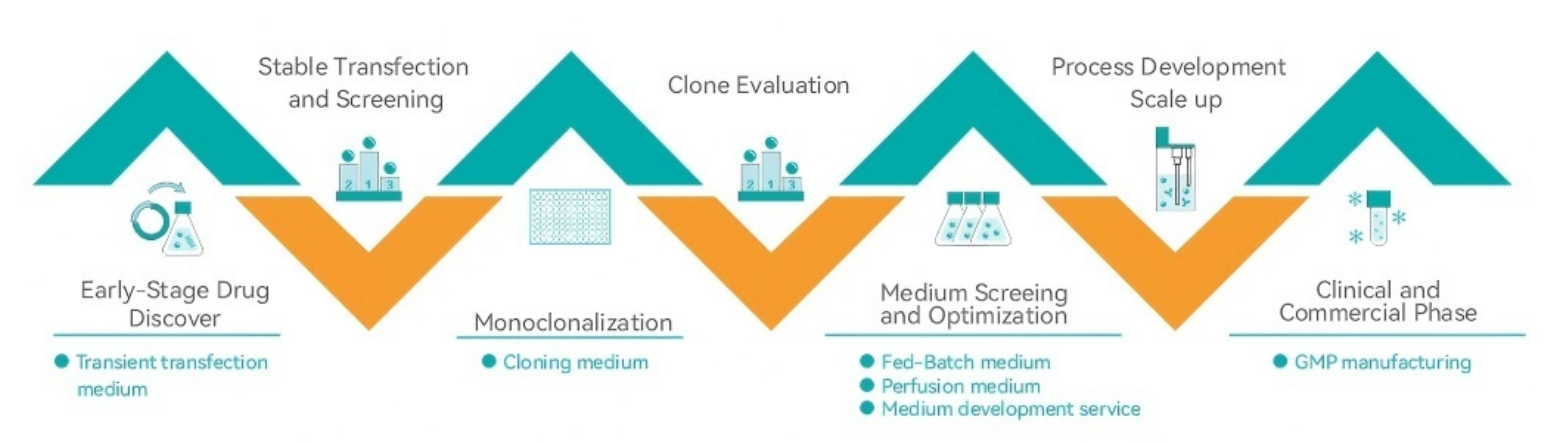
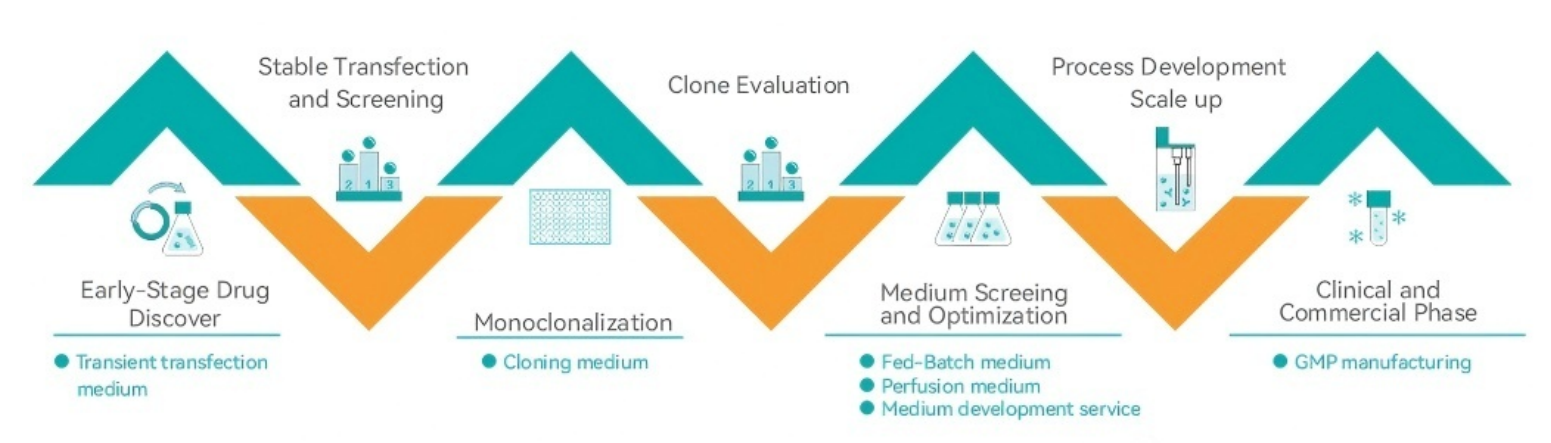
When I compare runs, three levers repeatedly explain most outcome variance: base media formulation, feed regimen (fed-batch vs. perfusion), and seed quality. In March 2018 I switched a client from a standard CD-CHO-like medium to a tailored serum-free media plus a 250 L single-use bioreactor feed program in Boston; we saw an 18–22% increase in titer and a tighter glycosylation profile within two scale-up runs. Specifics matter: carbon source balance, glutamine alternatives, and chelator levels change cell metabolism and proteolytic activity. I typically ask: are you tracking osmolality and ammonia every 12 hours? Many teams aren’t — and they should be.
Technically, perfusion reduces nutrient shock but increases shear sensitivity needs; fed-batch is simpler but demands smarter feeds. Bioreactor control (pH, DO) and seed train consistency sync with media choices — you can’t optimize one in isolation. If cell viability drops by more than 6 percentage points between day 3 and day 7, that’s a red flag pointing back to either media formulation or an unnoticed contaminant in a supplement. Practical tip: test new lots at bench (shake flask) and small single-use systems (3–5 L) with the exact seed density you plan to scale; this exposed a hidden lot-to-lot supplement variance for me in June 2020.
What’s Next?
Looking forward, I’m biased toward modular media platforms that let you tune osmolality, carbon feed form (glucose vs. lactate-reducing blends), and trace metal profiles without rebuilding the whole formula. For facilities moving to continuous strategies, anticipate changes in protease activity and glycan heterogeneity — those require proactive buffer and feed design. cho cell culture (cho cell culture) practitioners should pilot at least one perfusion cycle alongside fed-batch before committing to long runs; the economics and product quality data matter.
— I still remember a client who saved three months and reduced downstream HCP cleanup by refining media chelators. Short sentence. Then a compound one for emphasis: small composition tweaks, large downstream gains.
Closing: three metrics I use to evaluate media and feed choices
1) Robustness: percentage change in viable cell density across three lot-to-lot media tests (I expect ≤10% variance). 2) Product quality stability: glycan profile CV across scale (target <8% for critical glycans). 3) Operational impact: change in downstream load (mg of host cell protein per g of product) and resulting purification cost delta (measure in $/batch). These are concrete, measurable, and they force you to value consistency over hype.
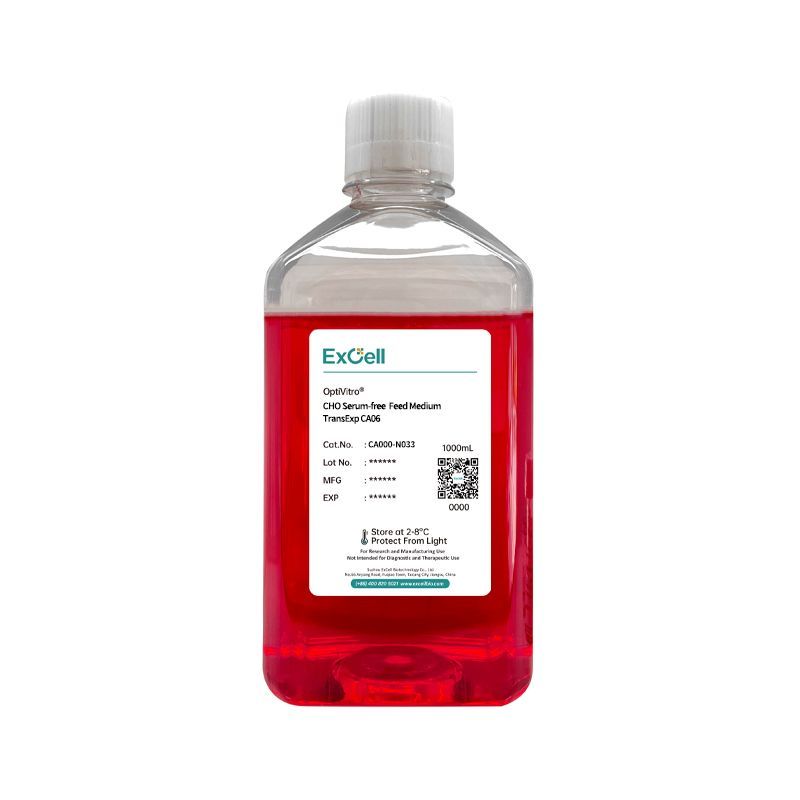
When I advise teams, I draw from hands-on runs — at bench, at 50 L, and at 250 L single-use systems — and from procurement trade-offs I managed in Cambridge and Boston client projects between 2017–2021. Those experiences shape practical, actionable choices rather than theoretical lists. For pragmatic tools and collaborations, consider working with specialist partners who understand both media chemistry and scale constraints — like ExCellBio.