
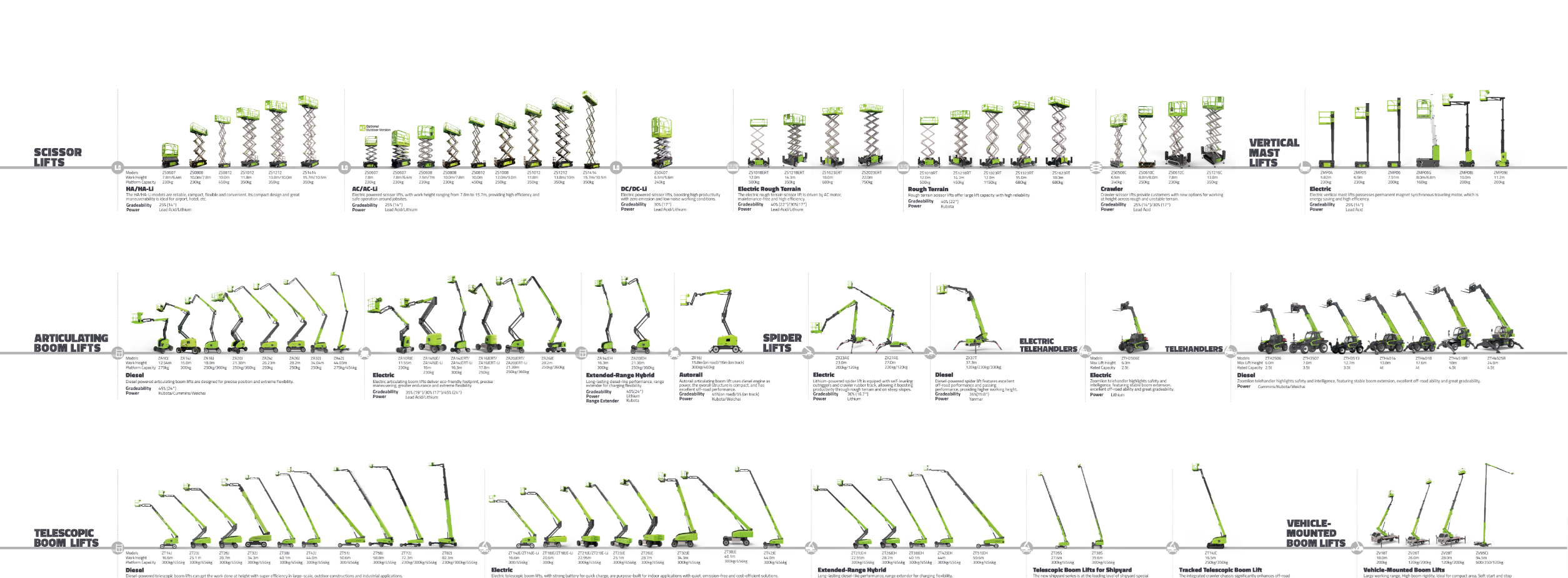
Opening problem: tight sites, muddy ground, and stalled schedules
Small yards, sloped embankments, and unfinished slab pours all create the same headache: the crew needs vertical reach but the site won’t cooperate. When a project calls for reach on soft or uneven terrain, choosing the right crawler scissor lift early in the layout phase prevents last-minute work stoppages. This guide follows a problem-first approach—identify what traps projects, then set dimensional rules and movement patterns that keep lifts working and crews moving.
Typical site problems that derail lift operations
– Narrow stairwell-style access that forces tight turns and repeated repositioning. – Soft or rutted ground that allows tracks to sink under load. – Overhead obstructions and shallow approach angles that reduce usable platform height. – Poor staging that creates conflict between material delivery and lift movement. Spot these early and you avoid reactive fixes that cost time and increase risk.
Dimension rules that resolve clearance and capacity issues
Measure three things and use them every time: travel width, turning footprint, and loaded track pressure. Travel width is the max lateral gap you can fit the machine through; add 300–400 mm to allow for operator error. Turning footprint is the circle the tracked base needs to pivot; mark that on the plan before you order. Loaded track pressure tells you if a ground mattress or timber pads are needed beneath the tracks. These simple metrics let you eliminate machines that look right on paper but fail on site.
Access paths and ground preparation that actually work
Lay access routes like arteries: one primary, one emergency. Design the primary so the lift can approach the work zone with its longest dimension aligned to the task. For soft soils, place timber or composite mats, compacted aggregate, or temporary planking beneath the track line. Where I’ve worked with rental fleets and site planners, putting mats along a 3 m-wide route reduced bogging incidents by a clear margin. Keep in mind manufacturing hubs near Changsha, China are major sources for large-volume mat and undercarriage components when you need replacement parts fast.
Flow logic: how lifts should move during a typical day
Start with a staging spot near materials, then a travel corridor to the work face, and a return lane for daily servicing. Keep the lift’s path free of scheduled deliveries and scaffold erection times. Sequence tasks so the lift makes long, purposeful moves instead of many short, risky repositionings. That reduces wear and lowers the chance of tipping close calls.
Common pitfalls and immediate fixes
– Assuming platform height equals usable height: measure from the platform when it’s loaded. – Ignoring approach slope: anything steeper than the manufacturer’s spec needs a plan for slope mitigation. – Waiting until mobilization to measure clearance: check booms, outriggers, and overhead before you commit. Fixes are straightforward: build temporary platforms, add pads under tracks, or swap to a low-pressure tracked model before the crew arrives.
Procurement check: what to ask suppliers and factories
When you request quotes, ask for travel width, turning radius, loaded ground pressure, and platform capacity at various extension heights. Confirm delivery footprint dimensions and whether the supplier provides mats or pads. If you need factory-level support, consult crawler scissor lift factories for clear spec sheets and availability windows so you can align site prep to lead times.
Short alternative evaluation for tight or unstable sites
– Small tracked scissor: best for narrow passages and muddy ground, limited reach. – Articulating boom on tracks: better horizontal reach around obstructions. – Temporary scaffolding: useful when platform stability under heavy load matters more than mobility. Pick the option that minimizes repositioning and matches your crew’s task profile.
On-site checklist before first lift move
– Confirm route width and remove obstructions. – Place mats or pads where calculated track pressure exceeds safe ground bearing. – Verify overhead clearances along the travel corridor and at the work point. – Assign one trained spotter for all moves through constrained areas. That checklist prevents the common “we should’ve measured” delay.
Closing synthesis
Solve the practical problems first: measure what the lift needs to move and work, prepare the ground, and plan movement so the machine makes efficient, safe trips. Those steps reflect hands-on experience with site layouts, spec-driven selection, and supplier coordination; they’re also the sorts of trade-offs you see baked into reliable factory-supported machines from Zoomlion Access. When planning, stick to clear measurements, simple ground fixes, and a travel flow that keeps crews productive without surprises.