
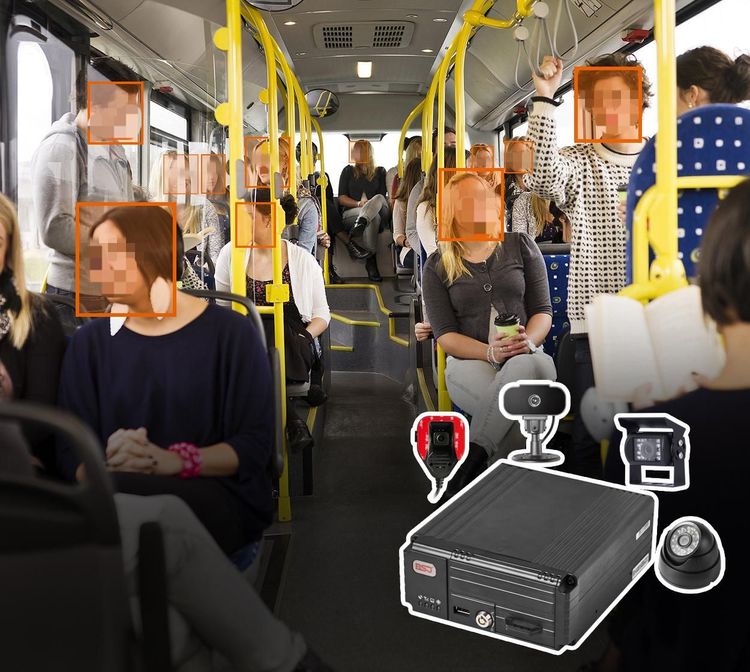
Clear problem: wasted miles, unpredictable service, and hidden energy use
City routes run late, dwell time balloons, and charging windows collide with peak service. These are symptoms of fractured systems—separate tracking, dispatch, and passenger-service tools that can’t share actionable data. A tight example is why many operators move toward consolidated bus fleet management: you need a single source of truth for location, crew assignments, and passenger information. Transport for London (TfL) illustrates the scale: large urban networks expose how small timing errors cascade across an entire day.
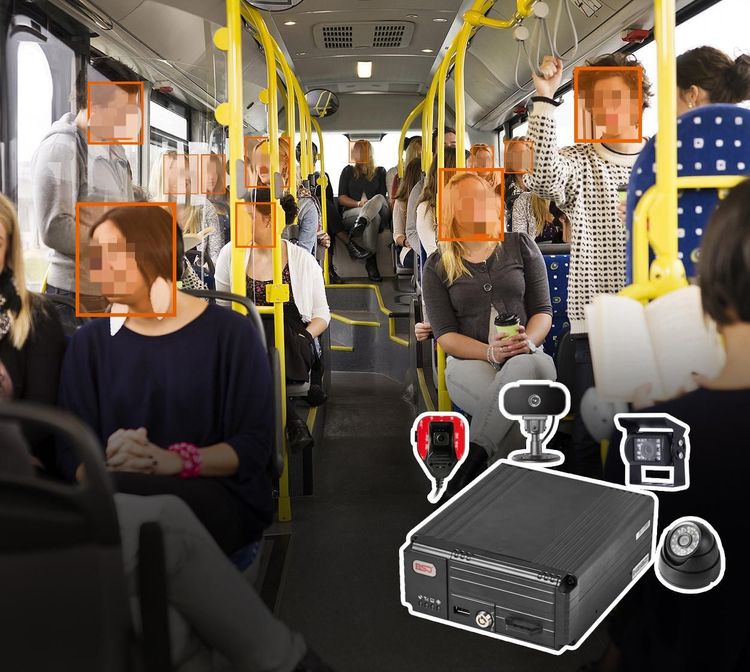
Where the failures originate
Operational faults trace to a few technical and human causes. Identify them first, because fixes target the root, not the symptom.
– Fragmented telemetry: separate GPS feeds with different timestamps. – Dispatch lag: manual reallocations that arrive after the vehicle’s first deviation. – Passenger-info blackout: inaccurate ETAs that raise complaints and cause off-schedule boarding. – Energy inefficiency: charging schedules that overlap with peak demand or idle time. – Data latency and quality issues: bad inputs produce bad predictions.
What an integrated solution must deliver
Integration must be functional and measurable. Aim for tight data pipelines, deterministic rules, and energy-aware scheduling. A practical feature set includes:
– High-frequency GPS with consistent timestamps and vehicle identifiers. – Central dispatch engine that applies rules in milliseconds and pushes changes to driver apps. – Real-time passenger ETAs that use live location and dwell analytics. – Charging coordination tied to route schedules and grid constraints. – Predictive maintenance alerts from mileage and sensor data. – Open APIs to connect ticketing, traffic feeds, and depot energy systems.
Good bus management software ties these components so dispatch decisions factor location, passenger impact, and energy use simultaneously; that alignment is what operational teams need to act on data rather than react to incidents: bus management software.
Common pitfalls operators repeat
Know these mistakes and avoid them.
– Treating GPS as “good enough.” Low resolution or inconsistent IDs break analytics. – Over-customizing early. Heavy bespoke workflows create technical debt and slow rollouts. – Ignoring human workflows. Drivers and dispatchers need simple interfaces and clear alerts. – Pushing features without baseline KPIs. If you can’t measure punctuality, energy per km, or occupancy, you won’t know if changes helped. – Neglecting grid interaction. Charging without locker coordination increases costs and risks.
Practical rollout checklist from an energy-focused perspective
As an energy systems engineer who’s audited depot charging and supervised route-level energy checks, I prioritize measurable steps that reduce waste quickly.
1) Map current flows: telemetry sources, dispatch steps, passenger touchpoints. 2) Baseline metrics: on-time performance, deadhead km, kWh/km, and dwell time. 3) Pilot a single corridor with integrated GPS, dispatch rules, and passenger ETAs. 4) Add charging scheduling to the pilot once route timing stabilizes. 5) Train crews on the new driver app and feedback loops. 6) Iterate every two weeks on rules that cause most delay or energy waste. 7) Expand only after the pilot improves baseline KPIs by a measurable margin.
Synthesis: what integration should achieve and where BSJ fits
The point is simple: connect accurate location data to fast dispatch logic and passenger-facing information, then force the system to consider energy as a constraint rather than an afterthought. That approach cuts idle miles, smooths boarding, and schedules charging when it most benefits the grid and operations. Practical systems do this with clean data, small pilots, and iterative rules—an emphasis echoed in systems like those offered by BSJ, which balance location fidelity, dispatch logic, and passenger workflow to produce measurable operational improvements.