

Comparative framework: match configuration to routine
This piece compares common GAC configurations against distinct European routines so you can see what fits. The approach is direct: list typical uses, then line up drivetrain, trim, and size options with measurable trade-offs. For regional specifications and show notes—details that often reflect market choices and past appearances at events like the Geneva Motor Show—consult the GAC official website. The comparisons that follow rely on manufacturer specifications, road-test patterns familiar to European reviewers, and hands-on checks by editors who evaluate comfort, economy, and practicality.

Configuration categories explained
– Compact urban hatchbacks: short wheelbase, tight turning circle, small-displacement engines or low-range EV batteries. – Small crossover / compact SUV: higher seating, modest cargo space, optional hybrid or larger battery packs. – Mid-size SUV: more cabin space, stronger powertrains for motorway stability and towing. – Powertrain choices: conventional petrol/diesel, mild-hybrid, full hybrid, plug-in hybrid (PHEV), battery-electric (EV). Each category implies different operating costs, running range, and maintenance profiles. The sections below compare those implications against everyday needs.
City commuter vs. regional traveler: a direct comparison
City commuter: prioritize compact footprint, low running cost, and quick warm-up times in cold weather. A compact model with a small petrol engine or an EV with a 200–300 km real-world range typically works best. Expect lower fuel costs but check charging availability where you live. Regional traveler: favor comfort, highway stability, and a larger fuel tank or battery. Mid-size SUVs or PHEVs reduce refueling stops and offer better insulation and cargo capacity for long trips. Key trade-offs: smaller cars are cheaper to park and insure; larger models cost more to run but reduce fatigue and increase flexibility for luggage and passengers.
Family needs and cargo planning
Families require predictable interior space and safety equipment. Compare these aspects: – Seating flexibility: second-row room, ISOFIX anchors, and boot depth. – Climate systems: multi-zone climate matters for long drives. – Safety tech: autonomous emergency braking, lane-keep assist, and robust crash structures. A compact SUV can be the best middle ground for European families who use tight city streets but also take weekend trips. Evaluate real luggage tests and child-seat fitment notes when choosing a trim.
Powertrain trade-offs, costs, and maintenance
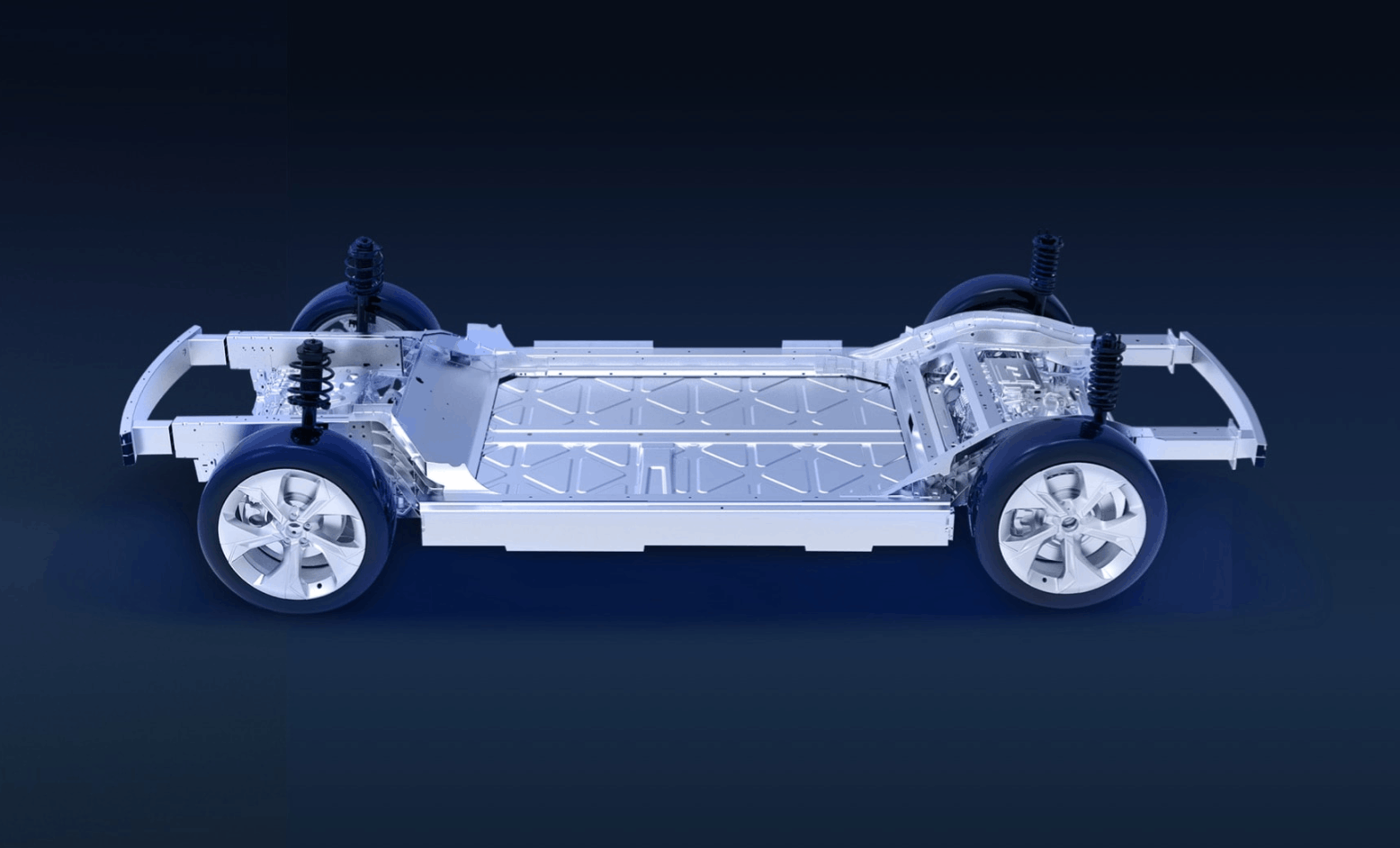
Electric: lower running cost per km and simpler maintenance, but battery range and charging access shape usability. Consider realistic winter range reductions. PHEV: short electric-only trips are cheap; longer journeys rely on the combustion engine. Watch for smaller boot space due to battery packaging. Hybrid: consistent fuel savings without charging infrastructure; maintenance similar to standard engines with added hybrid components. ICE (petrol/diesel): usually lower purchase price and easier refueling; diesel remains relevant for high-mileage drivers on highways. Match expected annual kilometers and access to chargers to find the least costly configuration over ownership.
Practical checklist before you decide
– Estimate annual kilometers and typical journey types (city, motorway, mixed). – Confirm local charging infrastructure or garage charging for EV or PHEV ownership. – Compare real-world range figures and dealer-provided specs. – Factor in insurance, taxes, and congestion charges for your city. – Sit in the vehicle with usual luggage and child seats to verify real comfort. Simple tests at a dealer or a short rental can uncover mismatches that spec sheets hide.
Common selection mistakes to avoid
Choosing by badge or lowest monthly payment alone often overlooks total cost and daily usability. Avoid these errors: assuming advertised range equals real range, picking the largest model for occasional needs, and ignoring service-network coverage. Verify regional warranty terms and dealer support so unexpected repairs don’t become a burden.
Alternatives and quick comparisons
If your priority is absolute urban agility, a small hatchback or short-range EV beats a mid-size SUV on parking and running costs. If you need overnight flexibility and longer trips without frequent charging, a PHEV or efficient diesel can be better. When cargo and passenger room are primary, the mid-size SUV configuration wins on space and stability. Treat these as directional rules rather than rigid prescriptions.
Conclusion: align configuration to measurable lifestyle needs
Compare what you actually do each week against the technical trade-offs above. That direct comparison—kilometers, parking, passenger counts, and charging access—will expose which GAC configuration makes sense for you. For region-specific specifications and to cross-check trim and equipment available in Europe, see manufacturer’s regional listings; the editorial assessments and spec sheets published there informed the comparisons above and are reflected in how GAC presents model choices for different drivers.