

Introduction: A rainy forecourt and a lesson in uptime
You pull into a busy site on a wet evening. Queues form, screens flicker, a charger resets, and patience wears thin. Inside, the EV charger power module carries the surge, the spikes, and the heat, even as water beads down the cabinet. Networks now target 99%+ uptime; sites routinely push tens of kilowatts per stall and cycle hard on weekends—no small feat for power converters and control logic. Yet one truth keeps showing up in field logs: most failures do not begin with the headline parts, but with the small things that moisture and vibration find first. So what really separates a robust unit from a fragile one?
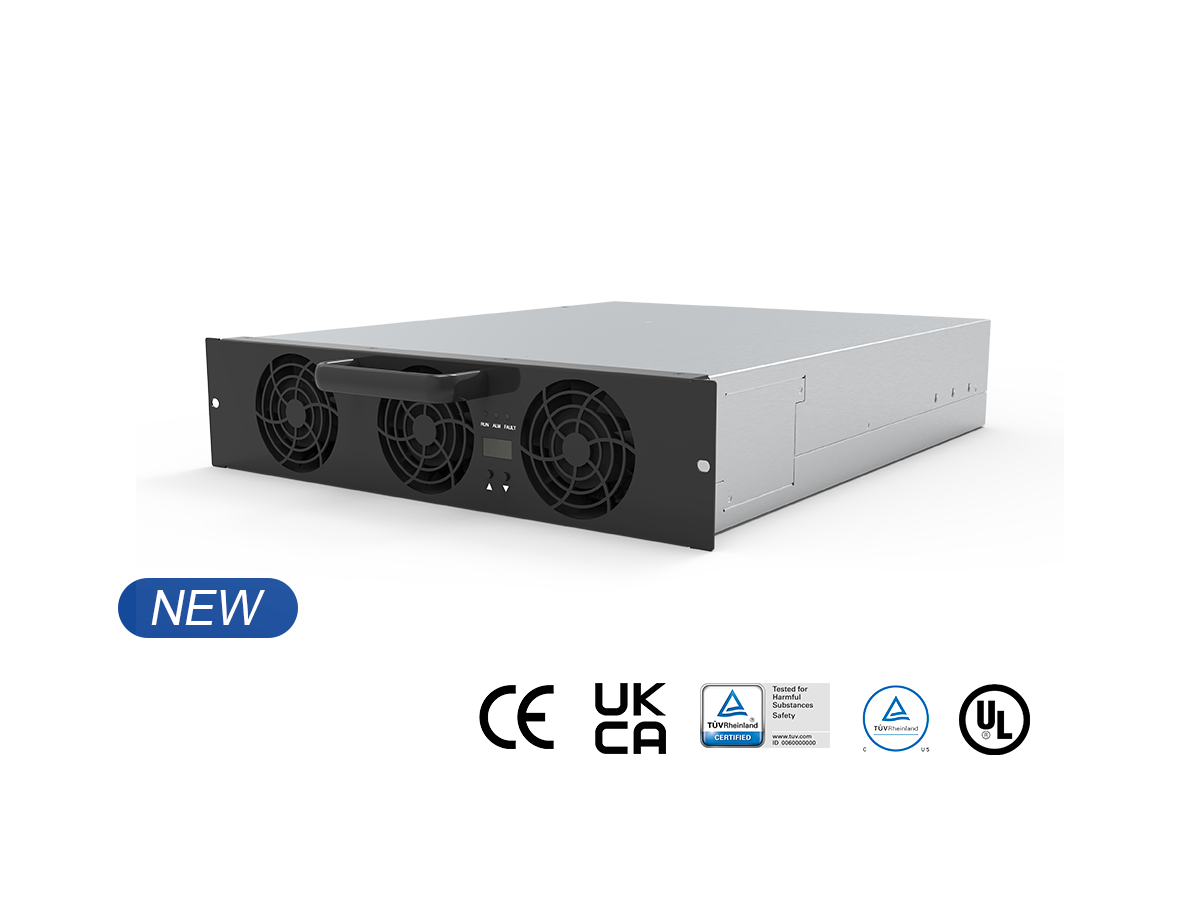
Here’s the rub: reliability is not just about peak output; it is about how the module handles ingress, heat soak, and transient stress, hour after hour. If a fan clogs or an EMI filter corrodes, the best silicon still sits idle. And when a site is down, the lost minutes pile up. Might a different build philosophy—sealed rather than exposed—shift the picture for good? Let us set out the contrasts and see where they lead next.
Under the shell: full potting and the hidden pain points it fixes
Look, it’s simpler than you think. The everyday pain points are small, but relentless: condensation in shoulder seasons, dust ingress on hot days, and subtle vibration that works on connectors over time. A fully potted charging module tackles those gremlins at the source. By encapsulating the assembly, you cut off moisture paths, immobilise components, and stabilise the thermal route to the baseplate. Fans last longer because the system breathes less debris; the EMI filter stays clean; potting resin damps vibration before it reaches solder joints—funny how that works, right? Field MTBF rises not because peaks are higher, but because the troughs disappear. For forecourts near the coast or highways with grit, that is the difference between smooth weekends and ticket queues.
What does full potting actually change?
Technically, it alters three things at once. First, thermal performance becomes predictable: heat flows through a defined path, so derating is clean, not jagged. Second, reliability of interfaces improves: connectors do not fret, and creepage distances remain intact under humidity. Third, service intervals stretch: with ingress controlled, filters and seals work less hard. Add a stable CAN bus link and steady power factor correction, and the control loop stays calm under load. In short, traditional open-frame modules invite the environment inside; fully potted ones keep it out—and keep the DC bus steady when the forecourt gets messy.
Forward look: principles that will shape the next generation
Tomorrow’s platforms are not only sealed; they are smarter in how they switch and cool. High-efficiency topologies, often built around SiC devices, reduce waste heat and shrink the magnetics. That means higher power density with safer temperature headroom. When you pair those principles with a 40kw EV charger module, the practical result is simple: steadier output per slot and fewer derate events in summer. The comparison with legacy air-path designs is stark. Old units cope—until dust and moisture arrive. Sealed, high-density units thrive because the environment has little to grip onto (and yes, less noise too). Integration also shifts: edge computing nodes get cleaner telemetry because electrical noise is tamed at the source.
What’s Next
Expect two converging moves. First, more enclosures will standardise to higher ingress ratings, with full potting inside as the norm rather than the exception. Second, control schemes will lean on faster sampling and softer switching, so ripple and acoustic strain fall at the same time. The upshot ties back to our earlier point without repeating it: when the shell and the silicon pull in the same direction, uptime follows. In coastal, dusty, or high-traffic sites, a sealed architecture wins on both thermal stability and service cadence—little wins adding up over months. Put plainly, fewer trips, fewer resets, and a calmer queue. That is how an unglamorous choice in module design ends up shaping the user’s entire experience.
How to choose: three quick checks before you commit
– Environmental resilience: Look for real ingress protection, proven salt-mist or humidity tests, and vibration evidence. Confirm the derating curve across ambient extremes, not just the headline number.
– Thermal clarity: Ask for baseplate temperature maps, hotspot delta-T under full load, and continuous output at 40–50°C ambient. Stable heat paths beat heroic fans.
– Integration and noise: Verify EMC margins with room to spare, clean CAN reporting, and an EMI filter design that will not clog in month three. Documentation should match what the field sees—simple as that.
Evaluated this way, the module choice becomes steady rather than risky. Compare the service life, not just the spec sheet; check what happens after the rain and dust arrive; and weigh the cost of every unplanned visit. When those boxes are ticked, the rest of the system tends to behave—funny how that works, right? For further technical reading and product context, see winline EV charger.