
Introduction: A Depot at Dusk, Rising Heat, and a Simple Question
You pull into a busy EV depot at dusk. The lot hums with vans queuing for a quick turnaround. The second cabinet on the left houses a liquid cooling module, and it has been working hard all afternoon. Logs show peak load spiking above 300 kW per stall, exhaust air nearing 60°C, and charge sessions stacked back-to-back—no breathing room. Yet drivers still need consistent times and stable rates. Can the system keep power steady without throttling, or will heat force it to slow down when it matters most (right before the night shift)?
It’s a fair question in the Midwest or anywhere. When heat builds, components drift. Thermal resistance goes up, fans scream, and power converters start to protect themselves. That’s the moment when user trust gets tested. And as fleets expand and edge computing nodes move closer to chargers for diagnostics, the load only grows—funny how that works, right? The practical answer isn’t just “more airflow.” It’s a new balance of density, control, and safety. Let’s step through the comparison that reveals why.
Where Traditional Cooling Trips Up
What fails first under heat?
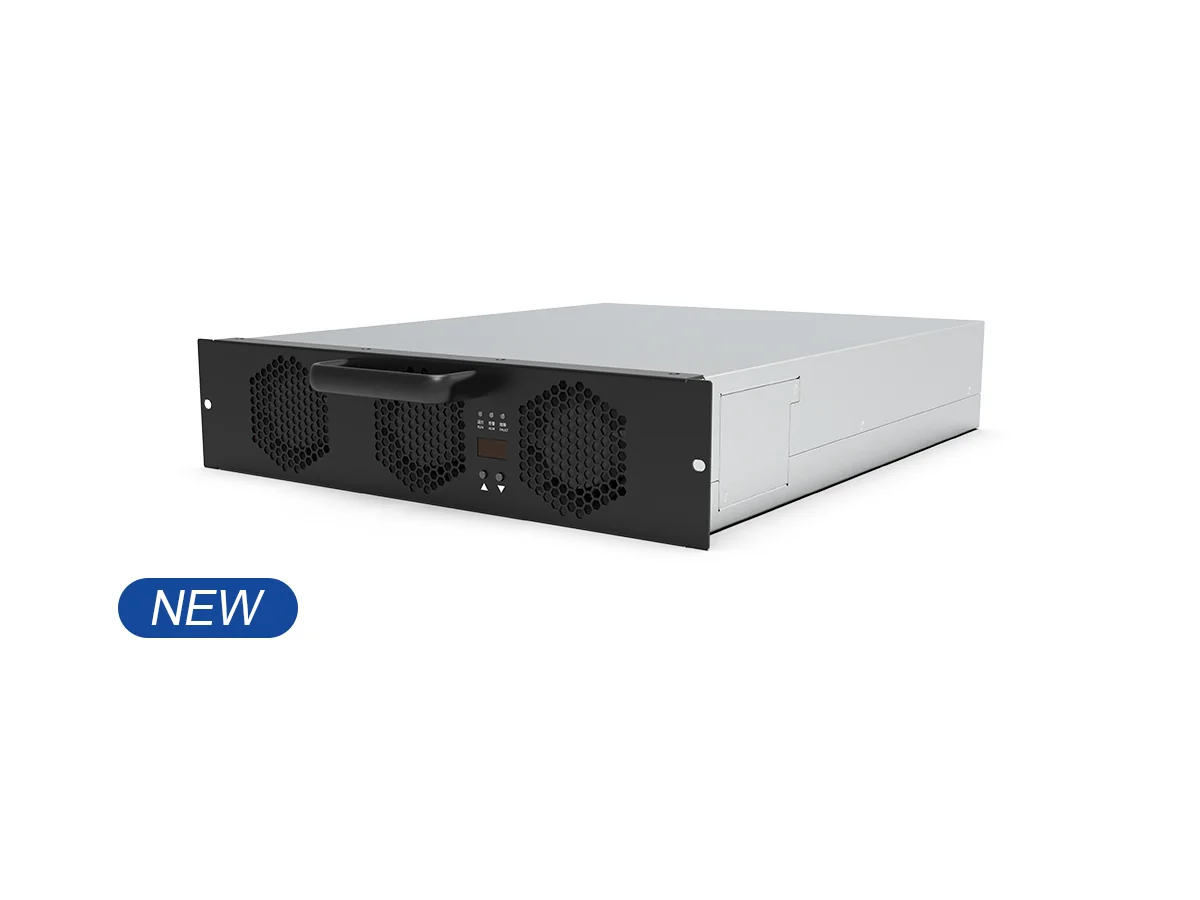
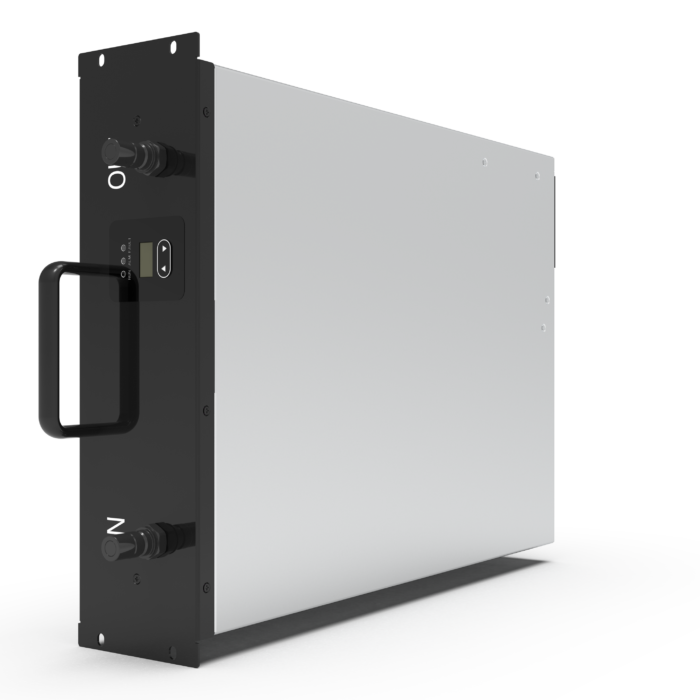
Classic air-cooled cabinets handle light duty well, but they falter under sustained peak load. Look, it’s simpler than you think: as power density climbs, airflow must rise faster to remove heat, and that adds noise, dust, and uneven hotspots near the DC link. A modern liquid-cooled charging module attacks these chokepoints directly. By moving heat into a closed loop, it lowers thermal resistance from the power stage to the heat exchanger. That steadies semiconductor junction temps, which stabilizes PWM behavior and reduces stress on capacitors. The result isn’t just cooler parts; it’s flatter output, fewer derating events, and tighter control of EMI filter performance when loads swing.
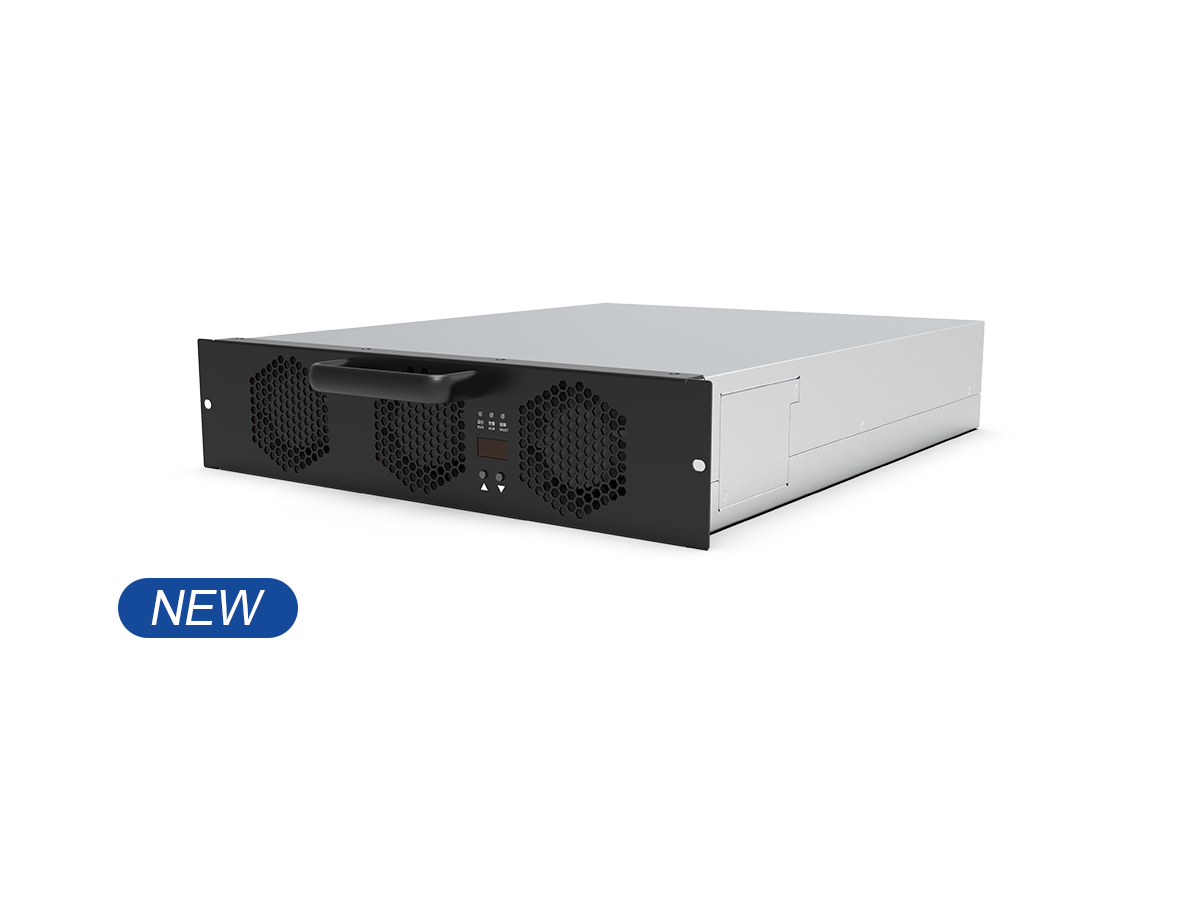
Air paths also struggle with repeatability. Filters clog, ambient swings hard, and fans age at different rates—so the same rack behaves differently week to week. A sealed liquid loop with a proper coolant manifold and a pump curve matched to the exchanger is predictable. It can be monitored with simple sensors and a soft PID loop. Because the hot zone is contained, dust buildup is lower, and mean time to repair (MTTR) improves. And the subtle win: when junction temps stay in band, IGBTs or SiC MOSFETs avoid early stress, which improves lifetime at the system level. That translates to fewer service visits and steadier uptime during peak hours—funny how that works, right?
Looking Ahead: Principles That Change the Game
What’s Next
From here, the comparison tilts toward design principles, not just parts. Higher switching speeds in a high frequency charging module shrink magnetics and smooth current ripple, which reduces local hot spots near the busbar. Pair that with a liquid loop that routes heat directly off the switch stage, and you get a stable thermal map even under step loads. Sensors watch flow, inlet temperature, and ΔT across the exchanger. A calm controller adjusts pump speed so the system meets the heat, not overreacts to it. That kind of co-design—power stage plus cooling—keeps the derating curve flat and predictable. It also frees layout to reduce stray inductance and improve EMI margins. Small changes, big reliability.
For teams weighing options, keep the lens practical and comparative. Use three checkpoints that you can measure on day one. First, thermal headroom: at rated ambient, how many minutes of peak load pass before any derate starts? Second, flow efficiency: watts spent on pumps and fans per kilowatt delivered, including worst-case coolant viscosity. Third, grid and noise fitness: conducted and radiated EMI versus target, plus any impact on nearby controls or edge computing nodes. If a design holds steady across those, the rest falls into place—because stable heat means stable power. Keep that checklist close as you scale sites, and you’ll avoid surprises. For a grounded reference point and deeper specs, you can review solutions from winline technology as part of your evaluation set.