
Introduction: The Quiet Backbone of Better Meetings
Every room tells the truth about its sound. Your conference room mic system is the quiet backbone that decides whether ideas travel or vanish. In the weekly board check-in, two people speak at once; a remote team misses the key point; the room sighs (we’ve all been there). The humble delegate unit at each seat is often where clarity is won or lost. In hybrid setups, even 200–400 ms of delay can break flow; a 6 dB swing between seats can tilt power in a meeting—funny how that works, right? Add in an uneven latency budget and poor acoustic echo cancellation, and you get cross-talk instead of clarity. So, a question worth asking: what should you actually compare when everything sounds “fine” until it doesn’t? The answer sits in the details you can measure, and the behaviors you can predict (and design around). Let’s set the lenses, then move from problems to practical choices.
Seat-Level Reality: Where the Delegate Unit Wins or Falls
Why do legacy seats still fail?
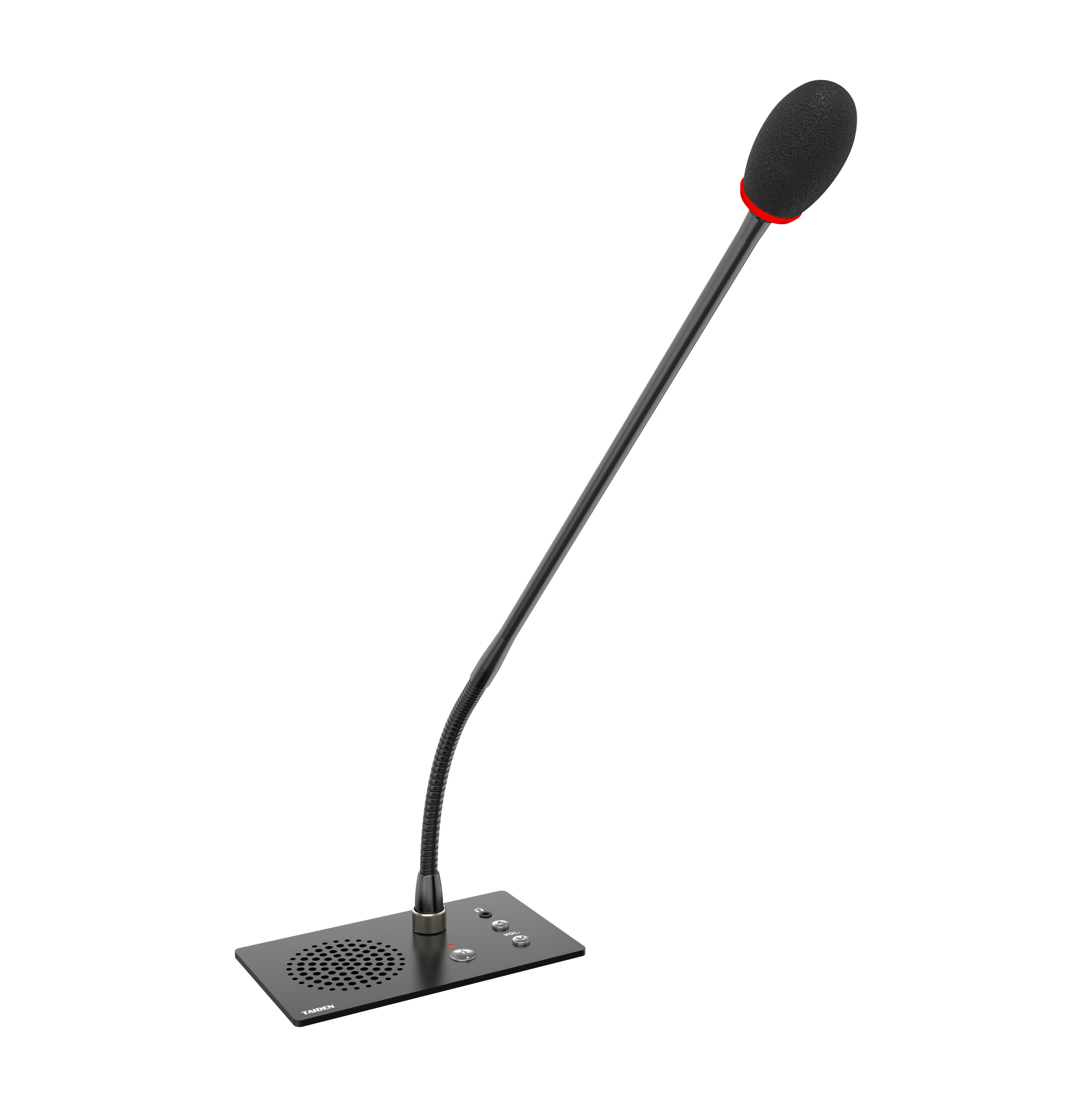
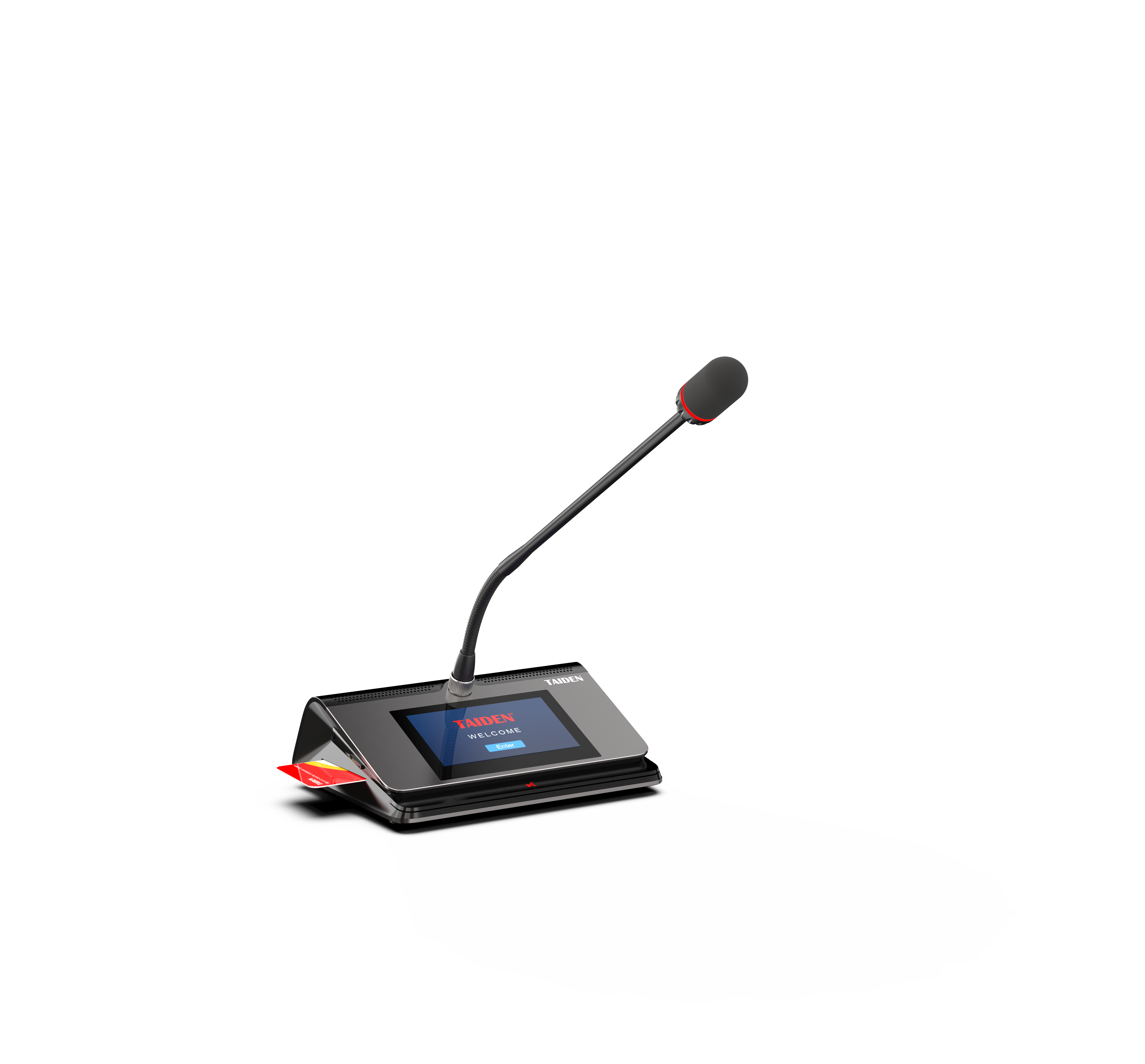
Start at the seat. A classic wired station may look stable, yet fail at core tasks: rejecting side chatter, keeping gain structure even, and syncing timing with the room DSP. Fixed cardioid mics help, but they can’t adapt to tilt or distance drift. Push-to-talk logic can mask noise, but it can also clip first syllables. When power converters share ground with network gear, you get hiss and hum. And if PoE is misprovisioned, devices brown out at peak draw. Look, it’s simpler than you think: most “mystery” noise is design debt. A seat without clean AEC, consistent preamp headroom, or clear QoS rules will always be hard to trust.
Now consider modern seats as edge computing nodes. A smart delegate unit can do local dynamics, gentle beam steering, and mic gating before traffic ever leaves the desk. That lowers noise, stabilizes talker handoff, and reduces far-end echo. It shrinks jitter sensitivity too, because pre-shaped audio is easier on the network. The payoff shows up in small moments: a soft-spoken participant is not lost; a note-taker’s keyboard isn’t the loudest voice; a late joiner does not ask, “Can you repeat that?”—which changes decisions more than specs suggest.
Comparative Insight: From Old Habits to Smarter Principles
What’s Next
When you compare systems, compare the engines, not just the shells. New seats pair adaptive beamforming with seat-level DSP to pre-clean audio. They track mouth position within a usable cone, hold consistent loudness, and hand off talkers without a pop. Networked audio over Dante or AES67, with clear QoS, keeps packets in order. That means lower perceived delay and fewer artifacts. In wireless rooms, coordinated RF and smarter channel scanning cut dropouts; batteries report real state, not guesswork; encryption is default. A capable wireless microphone manufacturer will also show you the link budget and actual spectrum plan—not just a marketing chart. The result: fewer “Sorry, you’re muted” moments and more steady speech. Small shifts, big gains.
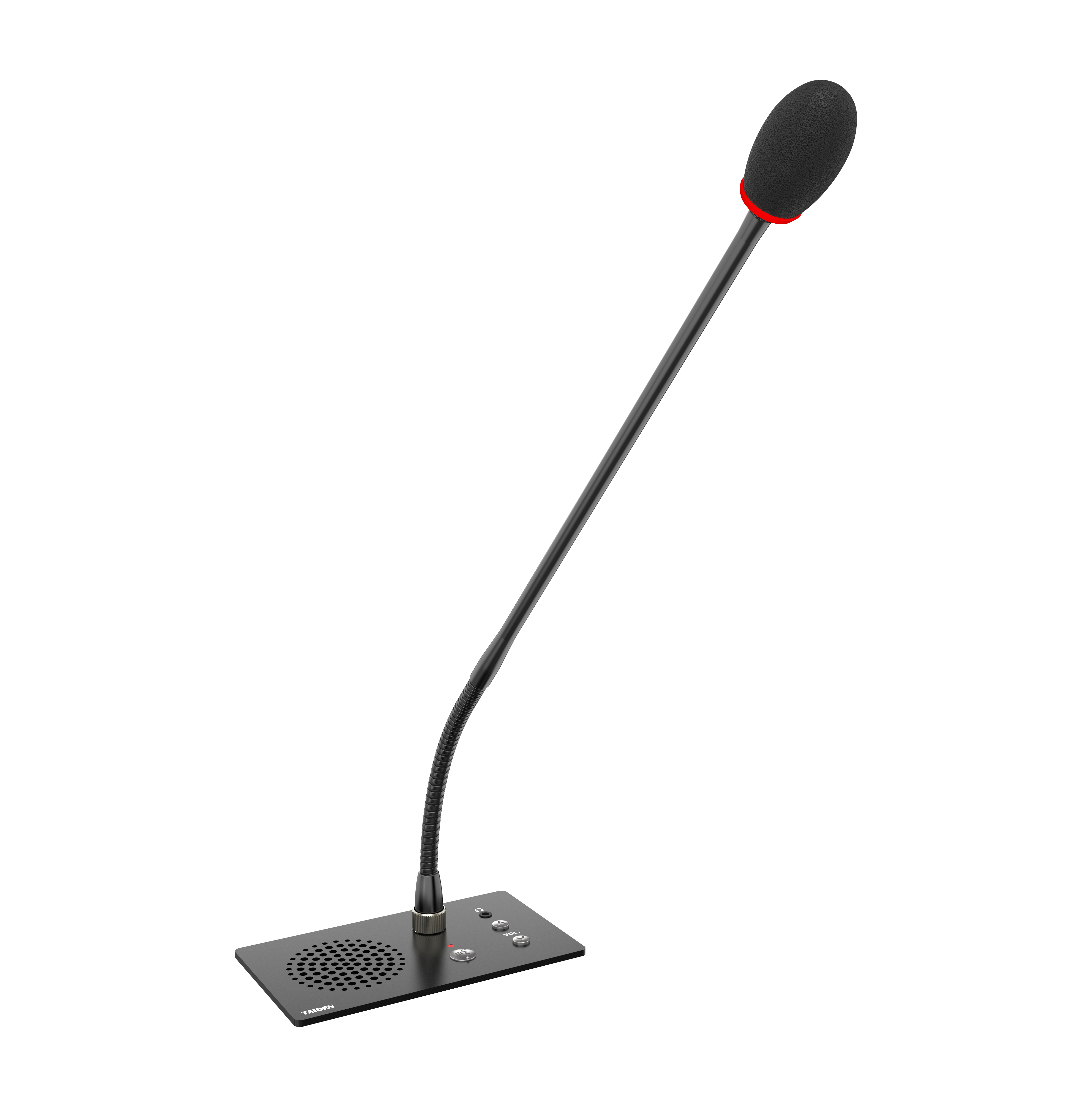
Here’s a forward-looking filter you can use tomorrow. First, measure end-to-end latency in context—room to remote—and target under 150 ms. Second, check intelligibility stability: can the system keep STI high when background noise spikes by 6 dB? Third, verify seat-to-seat uniformity within ±3 dB, with AEC that stays stable across double-talk. If you must choose, favor systems that move work closer to the mic—pre-gating, local dynamics, and per-seat profiles—because that reduces noise upstream and eases the network. You get fewer edge cases, fewer rescues. And sometimes, better meetings with less gear—yes, that surprised the team. For reference designs and deeper reading grounded in practice, see TAIDEN.