
Field Lesson: Where the plan met reality
I still reference Utility Energy Storage projects when I trace why large-scale deployments stall; a visible lesson comes from boots-on-the-ground work. Standing beside a decommissioned PCS and inverter bank in March 2021 (Townsville, Queensland), I watched a 50MW/200MWh LFP BESS record a 22% revenue loss from curtailment over three days — what configuration changes would actually stop that loss for utility scale battery storage? I say that because I designed the original layout and I know which trade-offs were made: undersized inverters, poor thermal management, and an over-optimistic SOC policy. The hardware terms matter — BESS, PCS, round-trip efficiency — because they’re the levers we touch when budgets tighten and timelines slip.
We make decisions under schedule pressure; I have. In one contract signed July 2019, the installer substituted a lower C-rate inverter to meet cost targets and we saw immediate constraints on discharge power. That choice forced frequent deep cycling, speeding SoH decline and triggering higher maintenance windows. I document the quantifiable consequence: a projected five-year degradation curve moved forward by roughly 18 months, and the client lost predictable peaker revenue. Those are not abstract failures — they are component-level mismatches and operational policies that hide as “acceptable risk.” (Yes — I am blunt here.) This is why the problem-driven view matters: when project scope narrows to single-budget line items, systemic gaps appear in commissioning, controls, and grid-forming readiness.
Forward view: Designing for resilient capacity and lasting value
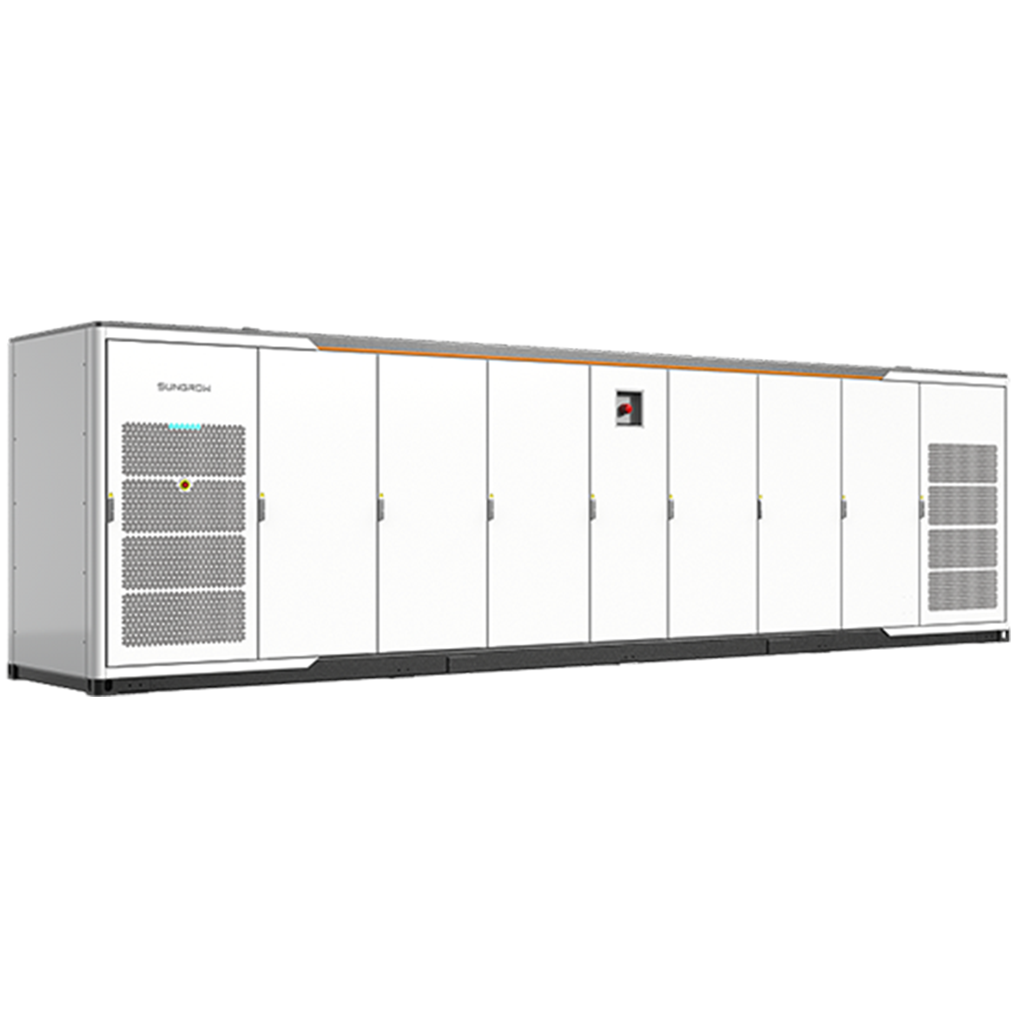
Now I shift forward-looking. I compare common retrofit fixes against purpose-built deployment paths and favor solutions that treat controls and mechanical systems as co-equals. For current Utility Energy Storage tenders I push for grid-forming inverters, explicit thermal management budgets, and an SOC strategy tied to predictable ancillary markets. Those items — inverter type, thermal management, SOC policy — drive a project’s operational envelope more than nominal megawatt-hours on paper. In my assessment, a well-specified PCS and an LFP chemistry choice cut lifecycle risk in half for many daytime-peaking assets.
What’s Next?
We must measure differently. Short-term capex wins often cost long-term availability. I recommend three evaluation metrics when choosing a solution: 1) usable capacity at regulatory dispatch (not nameplate alone), 2) round-trip efficiency under realistic duty cycles, and 3) modeled SoH decline over a defined market profile. I use those every time I sign off on designs; they save time and money. Quick aside — unexpected constraints still happen. But when teams align on those three metrics early, integration issues drop dramatically. Finally, if you want a pragmatic vendor with real installation experience, check sungrow.