
Facing the real problem on the shop floor
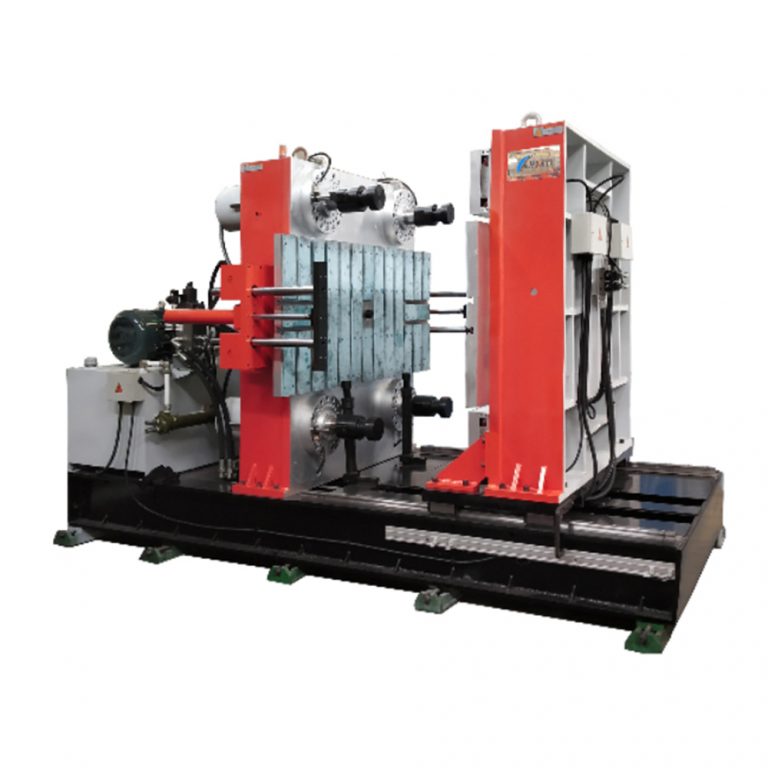
Tooling that peters out before schedule and cycles that creep longer than planned cost margins and morale. For managers running liquid silicone rubber (LSR) runs, the twin culprits are often inconsistent shot control and poor thermal balance. A targeted machine choice—like adopting a horizontal rubber injection molding machine with precise flow control—shifts the equation. Pair that hardware with tight process discipline, and you protect cores, reduce flash, and cut cycle time without sacrificing part quality.
Pinpointing where wear and waste begin
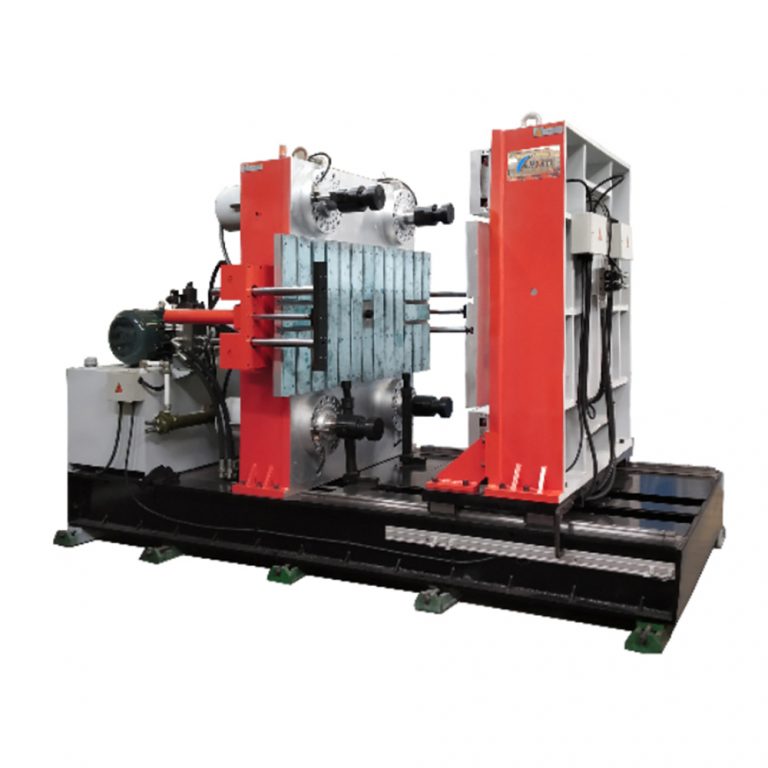
Most failures start with two measurable factors: uncontrolled shot size and unstable mold temperature. Excess shot puts stress on ejectors and cavity surfaces; fluctuating temperature stresses the molding compound and shortens tool life. Add inadequate mold cooling channels and you’ll see premature wear—especially on thin-wall geometries. Real demonstrations at the K trade fair in Düsseldorf showed vendors emphasizing process-integrated temperature control and lower shear injection units for LSR parts; that was a clear signal from the industry about where gains are made.
How Opti‑Flow principles improve longevity and throughput
Opti‑Flow isn’t magic—it’s discipline applied to flow, pressure, and timing. Key moves include tightening injection profiles to reduce shear, stabilizing clamping force when sealing soft LSR, and shortening non-productive time between cycles. When you combine these adjustments on a machine tailored for silicone, the result is predictable shot-to-shot repeatability and less abrasion on the tool. Integrating inline sensors for pressure and temperature feeds real-time corrections, which keeps flash and gate wear minimal. Also consider horizontal injection molding layouts for better mold accessibility and gravity-assisted degassing, which helps in delicate cavities.
Practical adjustments you can make this week
Start with a short checklist that targets immediate savings:
– Reduce shot size in 2–5% increments while monitoring fill quality and sink. – Stabilize mold cooling loops; aim for ±1°C steady-state variance. – Tune cushion to avoid overpacking; protect cavity surfaces but keep the part compact. – Schedule brief inspections after every shift for ejector alignment and venting cleanliness.
These are small changes, but they compound. A tighter cushion and monitored shot size cut mechanical shock and slow abrasive degradation—so don’t skip the bench checks during shift handover. —They really matter when you’re running thousands of parts a week.
Common mistakes that speed up wear
Avoid these recurring missteps: using generic tool steel for high-cycling LSR inserts, neglecting proper venting, and over-reliance on high back‑pressure to fix short shots. Each seems convenient at first, but they accelerate surface fatigue or trap gases, causing micro-erosion. Also resist the urge to push cycle time aggressively without validating part dimensions across a full production window—short-term throughput gains often mean long-term rework.
Alternatives and when to choose them
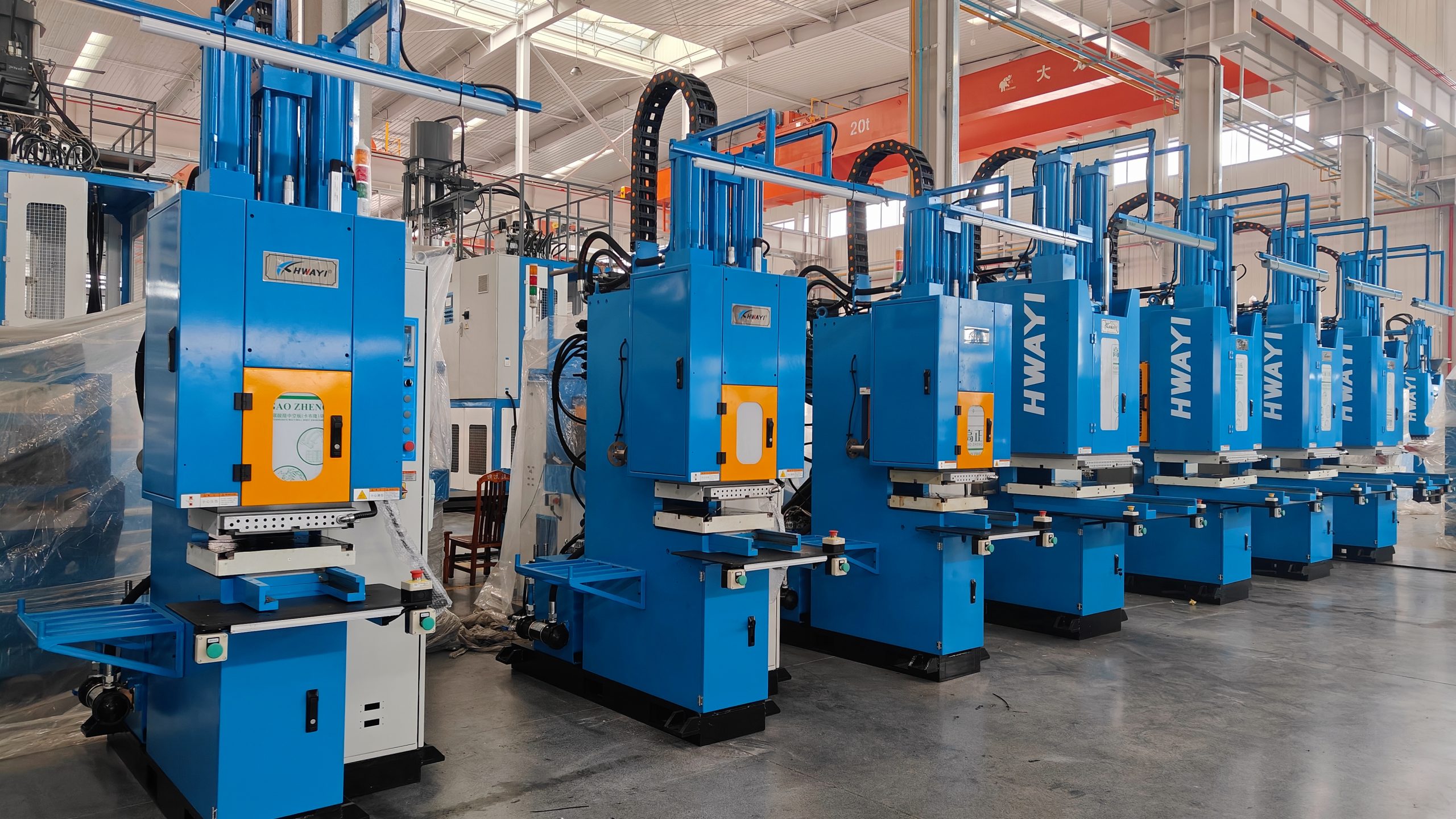
If your part demands ultra-fine detail or extreme throughput, evaluate rotary or vertical presses for specific applications; however, for most medical seals and connector overmolds, a well-specified horizontal system balances access, cooling design, and maintainability. Consider injection unit types: lower-shear screw designs suit sensitive LSR grades, while piston-style injectors sometimes offer cleaner shot consistency for very small shot sizes.
Three golden metrics to decide what to buy or tune
Use these metrics as your decision north star:
1) Shot-to-shot standard deviation: target under 0.5% for critical dimensions—consistent volume equals consistent surface stress. 2) Mean time between tool interventions (MTBTI): measure how long a mold runs before a service stop; aim to double your current MTBTI within a year through process controls. 3) Cycle‑time stability: track variance rather than absolute time; low variance signals a controlled process and predictably low tool fatigue.
These metrics are actionable and measurable on shop-floor data logs—install basic SPC dashboards if you haven’t already. They point squarely to where investment in process or equipment will pay back fastest.
HWAYI makes the case clear: with machines designed around LSR dynamics and hands-on tuning, you protect tooling and hit cycle targets—real value in every cavity. –