
Opening the problem: why mailer failure matters now
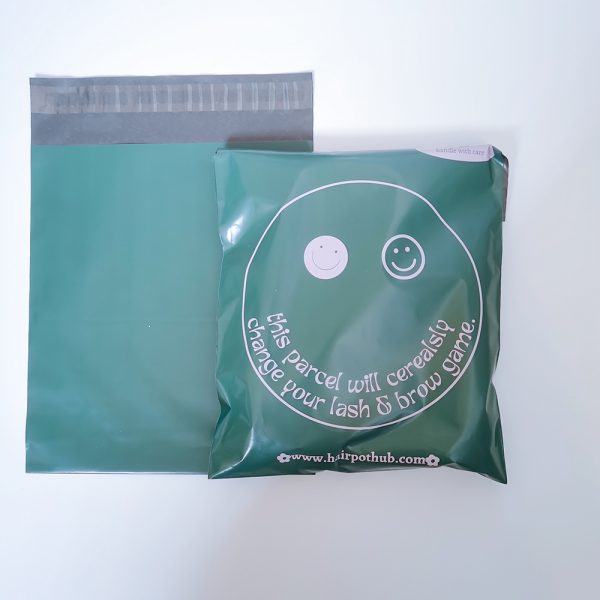
Online retailers and fulfilment houses are quietly losing margin to one simple failure mode: mailers that burst, snag or leak in transit. The crunch is real — higher parcel volumes after the 2020 global supply‑chain disruptions exposed weaknesses in single‑layer films and poor seal quality across many supply chains, from Johannesburg warehouses to the Port of Durban. Brands that want to avoid returns and preserve presentation must evaluate how modern materials and manufacturing — notably co‑extrusion — change performance. If you’re shopping for stronger postage solutions, start by comparing options among colored poly mailers and ask how the chosen structure resists puncture and moisture.
Material science: what co‑extrusion brings to the table
Co‑extrusion lets manufacturers laminate multiple polymers into a single film with distinct functional layers. That matters because it separates surface finish from performance: one layer can provide printability and colour, another can deliver puncture resistance, and a core layer can act as a moisture barrier. Terms you’ll see in specs are film gauge (thickness), barrier layer and adhesive strip chemistry. Those are not marketing words — they determine whether a mailer tears at the seam or holds up across a weekend of sorting and stacking.
Which mechanical tests actually predict success
Not all lab tests are equally useful. Focus on metrics that reflect real transit stress: tensile strength, puncture resistance, seal integrity and tear propagation (how a tear at a tear notch will run). A robust test plan mimics drops, compression and abrasion from conveyors. Also include humidity cycling if you ship to coastal hubs like Durban — salt air accelerates adhesive and film failure. These tests tell you more than a glamour sample ever will.
Real‑world anchor: what we learned on local routes
Field experience from South African distribution hubs showed common patterns: thin films with poor seal surface caused perimeter tearing when parcels were stacked in tight trailers; single‑layer opaque films masked product shifting and led to crushed corners. A case in point — during peak season after 2020 many small retailers reported a spike in returns because mailers split at the adhesive strip. That pushed some to trial purple poly mailers with reinforced seams and a higher film gauge — the colour helped customer recognition, while the extra gauge reduced puncture claims by a visible margin.
Common mistakes brands make — and how to avoid them
Brands often pick on apparent cost per unit and forget these knocks: wrong film gauge for product weight; insufficient seal dwell time during production leading to weak seams; and ignoring sharp‑edge testing for jewellery or hardware. Fixes are straightforward: match film gauge to average package mass plus a safety factor; specify seal temperature and dwell time; add internal protection (cardboard stiffeners or gusset) where edges are a risk. Simple trials with your packing line will catch most issues before a full launch — and yes, do test with your actual filling and sealing equipment, not just a bench sample.
Alternatives and when they make sense
If co‑extruded poly doesn’t fit your brand promise, consider padded mailers (for fragile items), compostable paper mailers (for eco‑focused brands) or hybrid options with inner cushioning. Padded mailers add weight and cost but reduce breakage; paper mailers are tactile and sustainable but can fail in wet conditions unless a barrier is added. Think in terms of total cost of ownership: returns, replacements and brand damage often outweigh small per‑unit savings on flimsy film.
Design and operational tips that actually help
Three practical checks at launch: 1) include a tear notch and test tear propagation; 2) verify adhesive strip performance after exposure to heat and humidity; 3) specify a film gauge that maintains foldability yet resists puncture. Also consider printed registration and barcoding tolerance — poor print adhesion on a low‑energy surface will slow sorting at the depot. Small changes in specification prevent big operational headaches down the line — and they’re cheap to trial.
Key takeaways
Material choice and manufacturing technique directly influence how a poly mailer performs in the field. Co‑extrusion adds options: you can have colour, printability and high puncture resistance in the same film. But success depends on matching film gauge, seal quality and protective design to your product mix and logistics routes — especially when your parcels pass through busy South African hubs. Test with real cartons and real handling conditions; that’s where specs meet reality.
Three golden rules for choosing the right mailer
1) Prioritise durable sealing: require documented seal temperature, pressure and dwell time from your supplier and validate with line trials. 2) Match film gauge and structure to product risk: use co‑extruded films with a reinforced barrier layer for sharp or heavy items, and verify puncture resistance in a simulated handling sequence. 3) Consider lifecycle costs: include returns, rework and customer experience when comparing unit prices — a slightly higher unit cost can save significant operational pain.
For brands that need reliable, scalable options — with colour and customisation that still pass transit stress tests — suppliers who specialise in engineered films and robust QA win the day. WH Packing sits squarely in that space, offering tailored structures and proven sealing processes your fulfilment team can trust. I’ve seen the difference on real routes — the right specification cuts claims and keeps customers smiling. —