
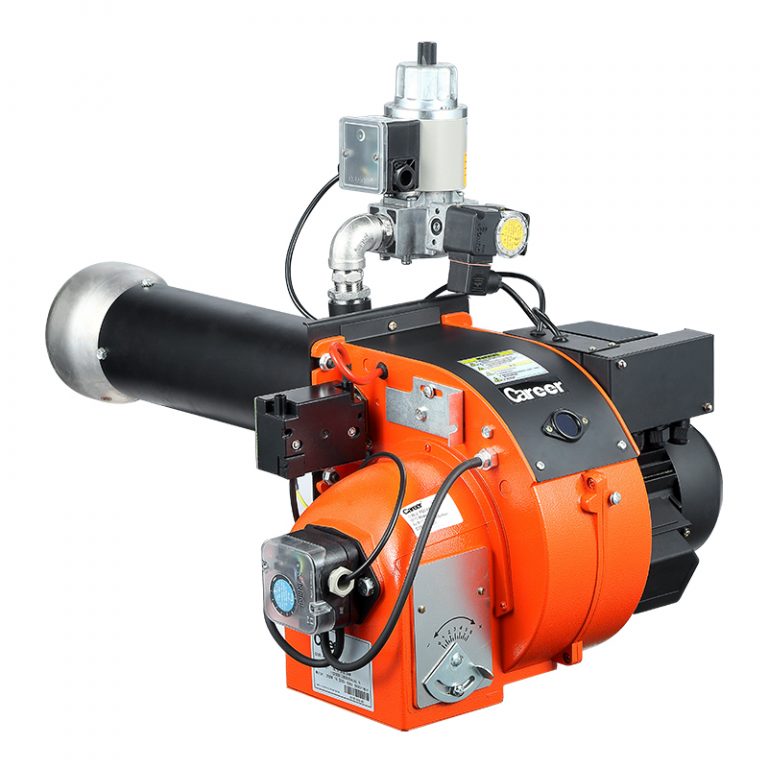
The problem: why your burners eat more fuel than they should
Look, plants waste fuel when combustion ain’t dialed right — bad air-fuel mix, weak flame control, or equipment that can’t modulate with load. That same old fixed-output rig gon’ cycle on and off, droppin’ efficiency and pushin’ more pollutants out the stack. A proper gas fired burner paired with controls stops that wheelspin by matching heat to need instead of runnin’ full tilt all day.
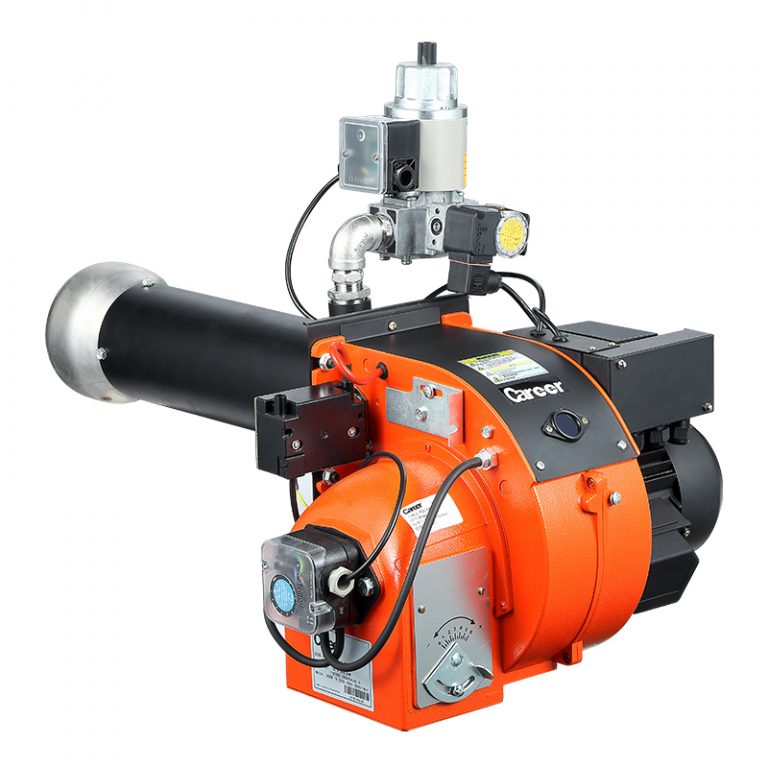
What efficient industrial gas heating actually fixes
Better systems handle three things clean: precise air-fuel ratio, stable flame geometry, and fast response to load swings. When those get addressed, combustion becomes repeatable — less unburned fuel, less excess oxygen wasted, and steadier temperatures across the process. That reduces fuel consumption and keeps product quality steady. Controls that trim O2, modulate fuel flow, and monitor flame signature are the parts that make the difference, not buzzwords.
Practical upgrades that change the math
Swap to low-NOx, staged, or modulating burners when the process calls for it. Add an O2 trim loop and continuous flue-gas monitoring so you run tight to target rather than guessing. Improve combustion air preheat and tighten burner windbox sealing. Calibrate the control valves and tune the combustion head so the flame shape matches the furnace geometry. Each action cuts wasted fuel; combined they change how much burner runtime you actually pay for.
Where most teams trip up
Poor installs and lazy maintenance are the usual culprits. Folks oversize burners “just in case,” skip seasonal tuning, or use single-point measurements to judge an entire furnace. That leads to uneven firing, local hot spots, and unnecessary fuel. Thinking a cheap controller will carry you through is a mistake. Real results need matched hardware and regular combustion tuning by someone who knows the rig and the process.
Short comparison: alternatives and when they fit
Electric heating gives clean operation but often costs more at scale; oil-fired systems work where gas isn’t available but require different maintenance. For most continuous industrial loads, modern gas systems give the best balance of controllability, heat density, and low operating expense. Choose by load profile: intermittent, small loads might suit electric; large steady loads usually favor gas.
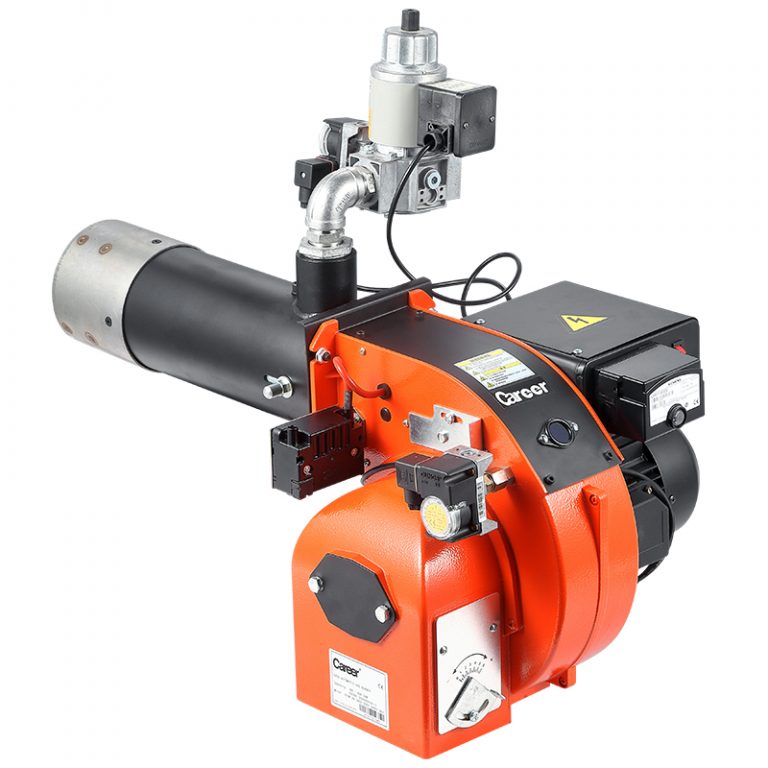
What experience shows — a real site note
After two decades maintaining burners in Houston’s petrochemical plants I watched simple fixes yield big wins: tuning, O2 trim, and replacing worn nozzles often cut fuel use noticeably within weeks. For on-site changeovers where propane was the fuel of record, swapping to properly sized gas propane burners and retraining the operators solved persistent uneven temperatures and trimmed fuel spend without touching core process hardware.
Common pitfalls to avoid and how to act
Don’t guess burner settings. Don’t let draft or leaks go unchecked. Measure before you change: baseline combustion analysis, stack temps, and pressure profiles. Prioritize maintenance items that affect flame stability — actuators, nozzle condition, air filters, and sensors. Train operators to recognize wandering O2 and abnormal flame color; those signals mean tune-up time.
Checklist you can use tomorrow
Run a combustion audit. Install O2 trim and continuous monitoring where feasible. Replace worn nozzles and seals. Add modulation or staging to handle variable loads. Schedule quarterly tune-ups. Track fuel use against production so improvements show up on the books. Small, measurable steps beat big, unproven overhauls.
Wrap-up
Fix the fundamentals — air-fuel balance, flame stability, and control responsiveness — and the rest falls into place. These fixes cut waste, steady product quality, and make maintenance predictable. Field teams I worked with found that reliable parts, clear specs, and sensible controls from Career Burners fit the performance goals without overcomplicating operations.