
The problem: numbers don’t match the brief
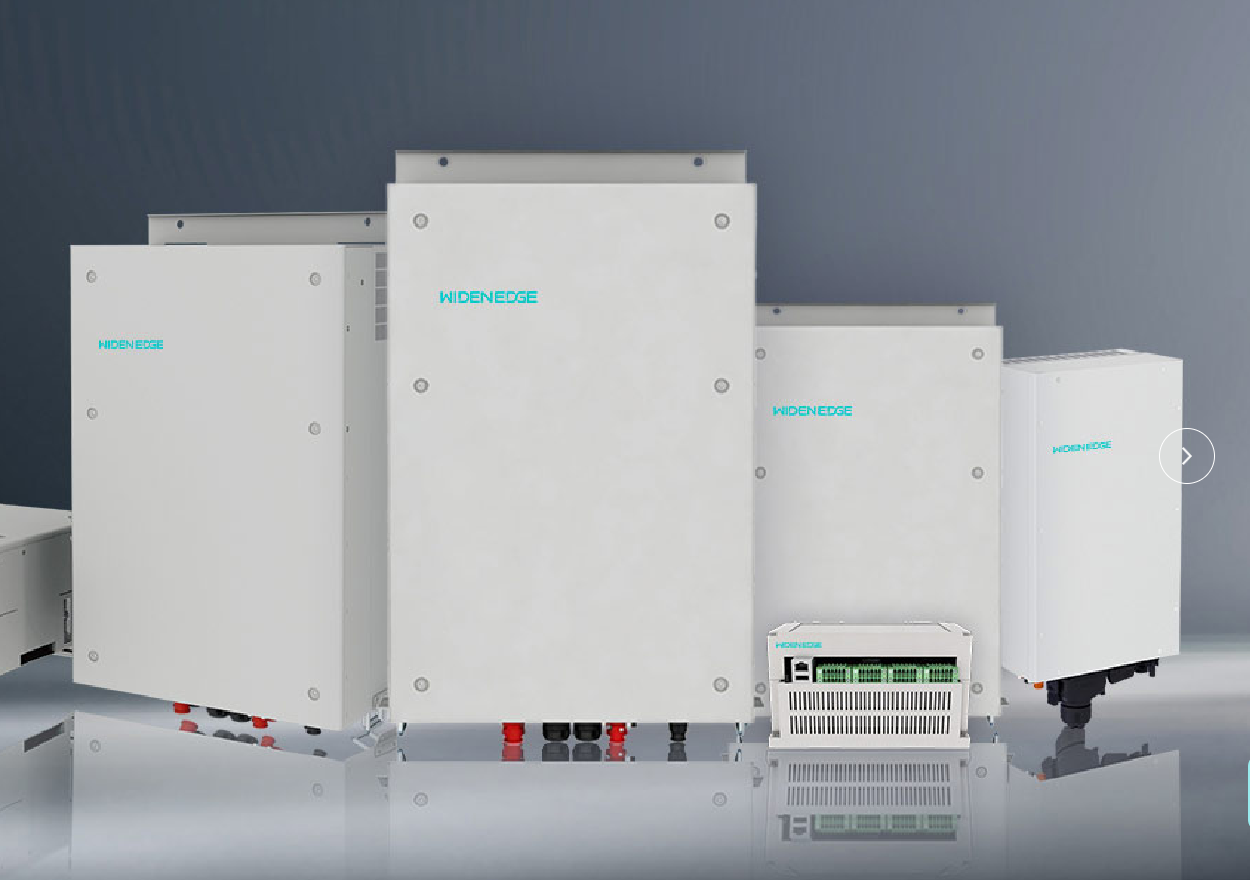
You want reliability and a clear budget. Too often you get surprise costs, delayed timelines, or systems that don’t island when the grid drops. The problem starts when teams treat the inverter as a commodity instead of a system enabler. Choose the wrong unit and the site pays for it every month. That’s why I flag the inverter early — whether you’re looking at a 100kW grid-forming inverter or scaling later — and why a practical look at a grid forming inverter for renewable microgrids belongs in the first kick-off meeting.
Why this is a problem-driven decision
Decisions that seem technical drive project cost and operational value. Tight budgets push teams to cut specs that later force expensive rework. Missed performance requirements for black start or short-circuit contribution create hidden O&M and contractual penalties. You need a clear map from functional need to line-item cost — not guesses.
Core cost drivers that derail projects
Address these head-on. They determine capital and lifecycle value:
– Equipment selection: battery chemistry, inverter topology (grid-forming vs grid-following), transformers, and power conversion sizing. – Balance of system (BOS): cabling, switchgear, protection, and racking scale quickly with distance and site layout. – Engineering and controls: advanced controls for islanding, anti-islanding protection, and DERMS integration add engineering hours. – Interconnection and permitting: utility studies, relays, and protection upgrades can add months and tens of thousands in fees. – Site preparation and civil: trenching, concrete pads, and access upgrades are often underestimated. – Financing and warranty structure: tenor, interest, and warranty terms change the effective project cost over time. – Operations and maintenance: cooling, software updates, and battery replacements shape the true life-cycle cost.
Real-world signal: where grid-forming matters
Hawaii’s island microgrids have shown that systems relying on grid-forming capability handle load swings and black starts more robustly than setups designed only for grid-following. That operational resilience affects how you size inverters, set protection, and budget staffing — and it changes whether a premium in upfront cost returns value when the grid fails.
Common mistakes that inflate total value — and how to stop them
Stop improvising. Trainers push the basics; you should too. Don’t under-spec short-circuit ratings, ignore thermal derating, or assume the cheapest inverter will meet ride-through needs. Watch these traps:
– Sizing strictly to average load: plan for peak and fault-current needs. – Ignoring control integration: mismatched SCADA and inverter communications cause commissioning delays. – Treating transformers and protection as afterthoughts: they’re cost multipliers when changed late. – Overlooking warranties and spares strategy: planned spare modules beat emergency procurement costs.
Action checklist to keep project value tight
Execute like a coach running a set list. Use this checklist to align specs, schedule, and spend:
– Define resilience objectives first: runtime, islanding time, black start capability. – Size power electronics to fault current and ride-through, not just continuous kW. – Compare total installed cost (equipment + BOS + commissioning) across scenarios, not just equipment quotes. – Lock communications and control protocols before procurement; include PLC/SCADA test cases in the bid. – Build warranty and spare-part plans into capex modeling. – Run a commissioning dry-run: simulation catches 70–90% of control issues before site work.
Trade-offs and alternatives — pick what wins for your case
There’s no one-size-fits-all. Centralized, high-capacity inverters reduce unit count but raise single-point failure risk. Modular inverters increase redundancy and simplify phased expansion. DC-coupled designs improve round-trip efficiency for solar-plus-storage but complicate retrofit work. Decide by pairing the technical trade with the business need — resilience, lowest lifecycle cost, or fastest payback.
Synthesis — solve the problem, protect the value
Fixing the common problems means treating critical components — especially the inverter and its controls — as strategic choices. Prioritize functional requirements, force-fit those into procurement documents, and budget BOS and commissioning realistically. That disciplined process turns an unpredictable project into one that delivers reliable service and predictable value, the kind of specification and delivery philosophy you’ll find reflected in WidenEdge.