
Start with the real trade-offs
If you’re deciding between makers, treat it like picking a car: options matter, but so do maintenance, resale and who fixes it on-site. If your brief calls for shade plus energy capture, a photovoltaic pergola changes the conversation — it adds structural and electrical requirements that not every supplier can handle cleanly. Comparative thinking keeps you from choosing the prettiest sample and getting stuck with hidden costs.
Compare the six practical criteria
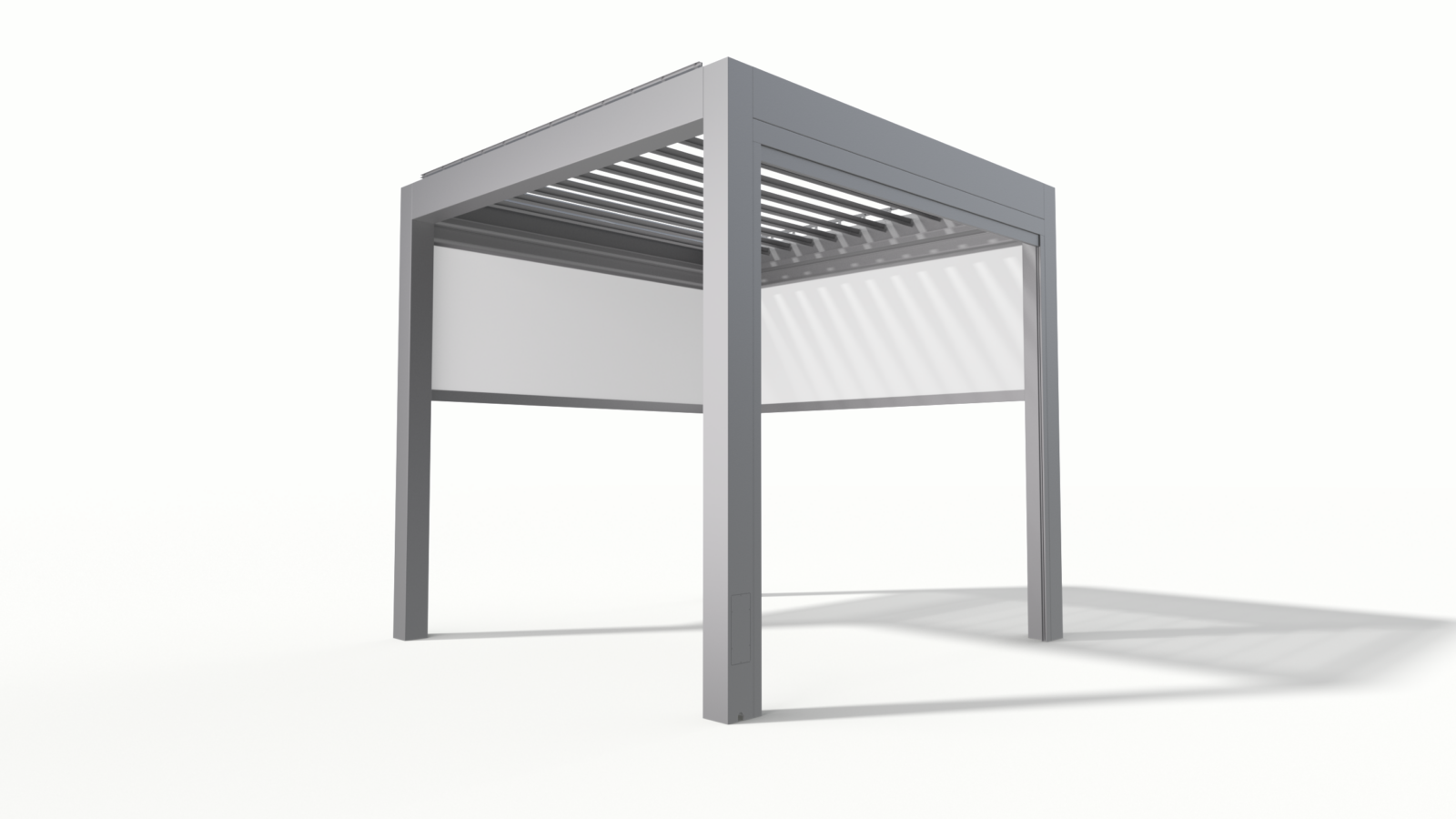
Look at these side-by-side: structural system (aluminum, steel, timber), finish and corrosion resistance, span limits and load ratings, integration for lighting/solar, lead times, and warranty terms. Ask for stamped engineering for wind and snow where relevant. Don’t guess on load capacity — manufacturers will quote different safe spans for the same-looking profile. Put specs side-by-side in a single spreadsheet and score each item honestly.
Supplier capability vs. design intent
Design intent often outpaces factory capability. Some suppliers excel at custom joinery and powder-coating; others are optimized for modular kits shipped nationwide. If your project requires integrated shading motors or embedded PV, confirm the supplier’s electrical commissioning experience. A beautiful CAD rendering means nothing if their installers can’t route conduits without drilling critical members.
Real-world experience and why it matters
From projects across Southern California I’ve seen the same failure mode: a spec that ignored site microclimate and installer workflow, which then forced expensive retrofits on an outdoor pergola. That hands-on perspective—project photos, field reports, or installer references—says more than glossy portfolios. Ask for a recent project close to yours and talk to the site contact about hidden costs and change orders.
Common pitfalls you’ll want to avoid
Don’t skip these checks: unclear scope around electrical and drainage, no structural sign-off for cantilevers, ambiguous finish warranties, and vague maintenance requirements. Beware of suppliers who price aggressively but add dozens of line-item extras during procurement. Check who’s responsible for on-site adjustments and who pays for rework if parts don’t fit.
Evaluating viable alternatives
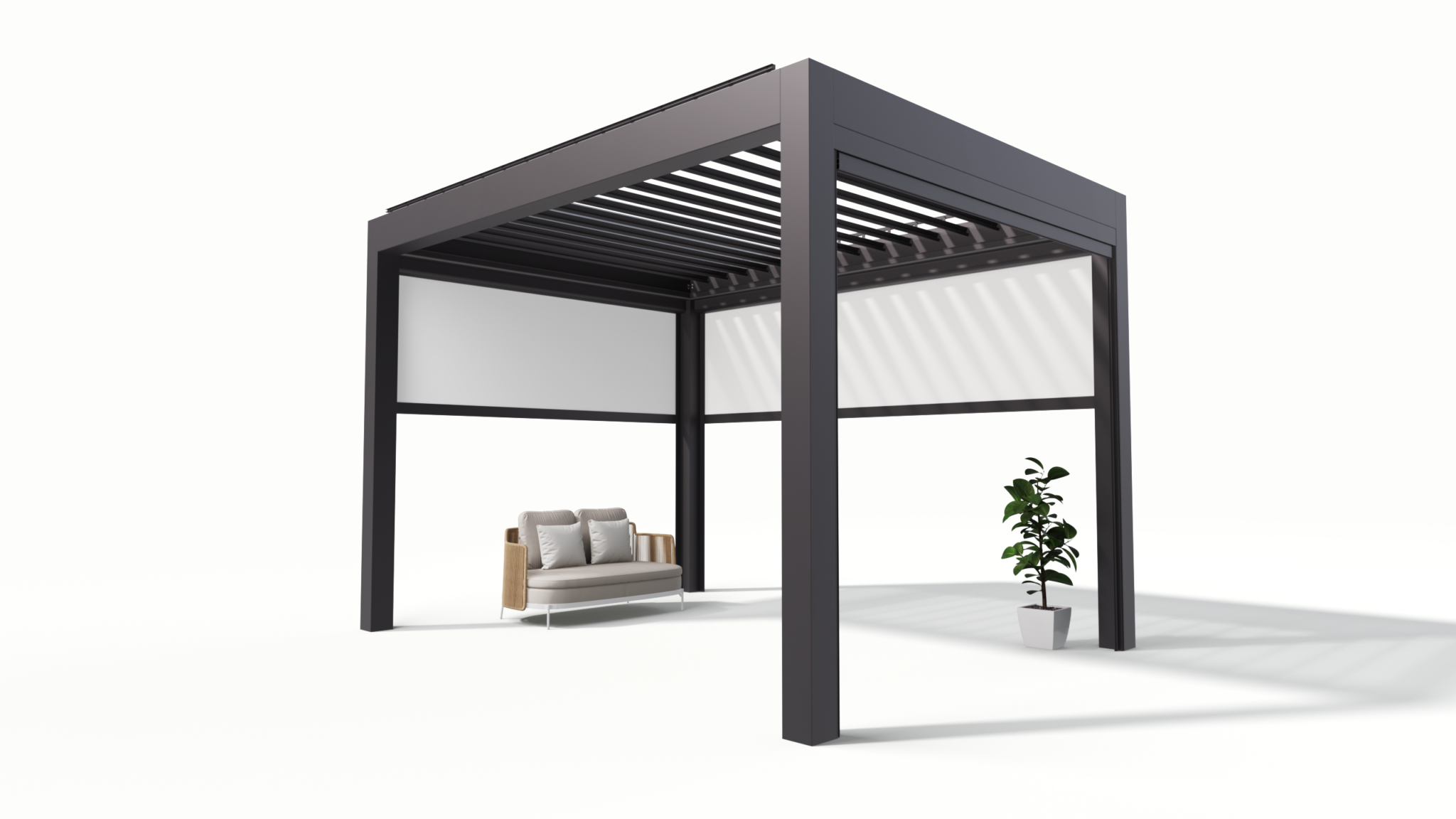
If full custom is expensive, consider high-quality modular systems with local installers — you trade ultimate customization for predictable pricing and shorter schedules. Louvered pergolas give dynamic shading but need motors and controls; fixed pergolas are simpler, cheaper, and lower-risk. If energy production is a goal, compare integrated solar modules versus rack-mounted panels on the roof of a simple pergola — each approach shifts cost and maintenance responsibilities.
Questions to ask every manufacturer or supplier
Ask: Can you provide stamped drawings for my site conditions? Who’s the installer and what are their certifications? What’s included in the warranty and what voids it? How do you handle controls and electrical handoff? What’s typical lead time and what triggers change-order pricing? If they dodge these, they’ll dodge you later.
Decision logic that actually works
Score suppliers against the criteria that matter to your project, then weight them by risk: structural correctness and warranty at the top, aesthetics and finish second, extras like integrated PV last but with technical verification. Choose the option that minimizes rework and assigns clear responsibilities. That practical balance is what companies such as Light Hunter demonstrate on projects where clarity matters more than a flashy sample board.