
Introduction — a shadowed question
What if the mirror were keeping a secret? In the dim hush of a treatment room I’ve seen crowded with machines, a commercial red light therapy bed hums like a slow heartbeat. Clinical reports often point to improved skin texture and boosted collagen synthesis after weeks of use (some studies note changes in 4–12 weeks) — so what are we really buying when we lie down under those LEDs?
The scenario feels theatrical: lights, warmth, hope. The data teases—measurable gains in skin firmness, lower fine-line visibility, improved microcirculation. Yet I keep asking: does the machine pull its weight, or is much of the benefit placebo? — there’s a chill to that doubt, right? Let’s step closer and lift the veil.
Under the Surface: Why Traditional Approaches Fall Short
I want to start bluntly: many traditional treatments aim at symptoms, not the scaffold. I’ll point to a modern alternative — the collagen therapy bed — early, because it frames the problem. Traditional laser ablation, chemical peels, and topical retinoids can thin or inflame the skin temporarily. They often ignore critical parameters like wavelength specificity and controlled irradiance. In short: they blast the surface without accounting for the deeper matrix.
Technically speaking, effective collagen remodeling depends on consistent photobiomodulation (that’s the term clinicians use). You need the right LED arrays, targeted wavelengths (near-red and near-infrared), stable power converters, and reliable fluence. Many salons and DIY devices skimp on those specs. Look, it’s simpler than you think: if the device can’t sustain proper irradiance, you get inconsistent results. I’ve seen clients burn money on one-off sessions that never reached therapeutic thresholds — frustrating, and avoidable.
Why does that matter?
Because skin is not just a surface. The extracellular matrix and fibroblasts work slowly. Short, intense interventions can produce shock but not structure. We need steady energy, measured delivery, and repeatable protocols. That’s what separates hopeful marketing from true clinical benefit.
New Principles and a Practical Outlook
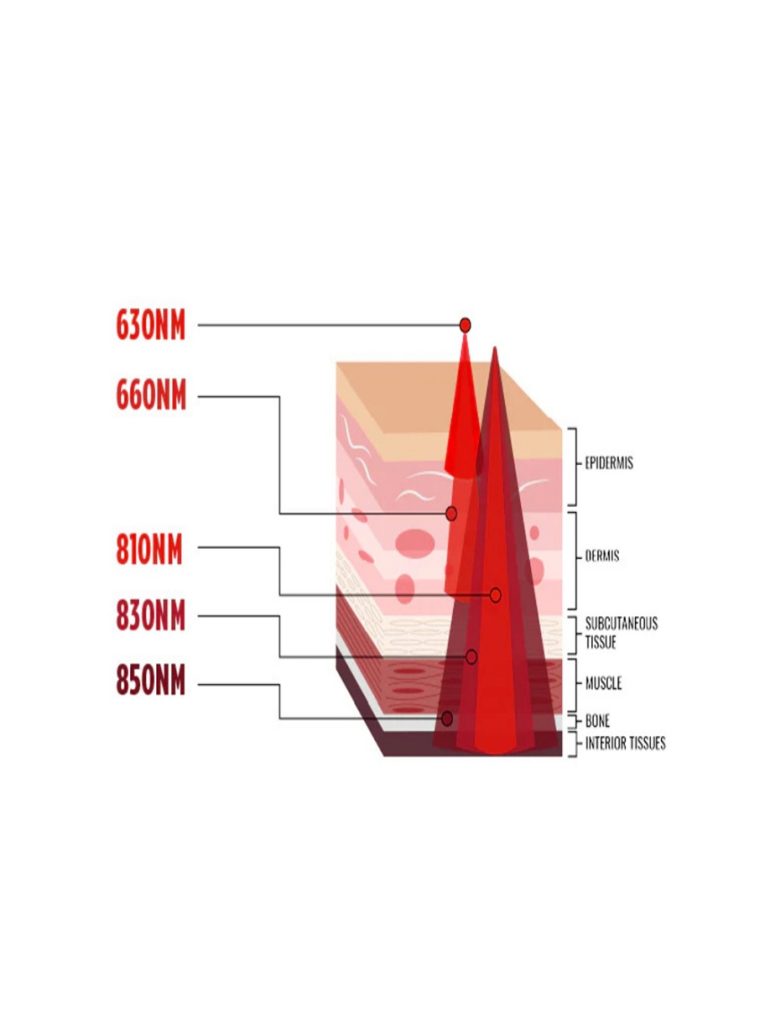
Shifting forward, I’m focusing on principles that actually move the needle. Modern collagen therapy bed designs center on three things: calibrated wavelength selection (usually 630–850 nm), uniform LED arrays to avoid hotspots, and controlled fluence over treatment duration. These are engineering choices—wavelength, irradiance, and heat management—that change outcomes. They also affect safety; you don’t want uneven heating or unreliable power converters in a session.
In practice, I’ve observed clinics adopt protocol-based dosing: fixed session lengths, cumulative dosing plans, and device verification before every use. This isn’t glamour—just discipline. It produces predictable collagen deposition and tangible improvement in elasticity. — funny how that works, right? Still, technology alone won’t save you. Operator training, client selection, and follow-up matter as much as the hardware.
What’s Next?
We’re seeing incremental upgrades: better LED driver boards, sensors that log irradiance, and treatment software that tracks cumulative dose. These features bring clinical rigor to what used to be guesswork. I’m optimistic; when engineering meets honest protocol, results follow. We should expect smarter beds that adapt treatments and report metrics, not just glow prettily.
Practical Takeaway — How I Evaluate a Solution
I’ll close with three practical metrics I use when judging any red light solution — whether a full commercial rig or a clinic-grade collagen therapy bed. First: wavelength accuracy and documented spectrum. If the LEDs don’t target the therapeutic band, don’t bother. Second: measured irradiance and uniformity across the treatment surface. You want consistent fluence, not hotspots. Third: treatment traceability — logging, safety cutoffs, and verified power converters. These reduce risk and increase repeatability.
I speak from hands-on experience. I’ve sat with patients, tracked progress, and seen what works. There’s still hype, sure, but real devices paired with honest protocols deliver meaningful skin improvement. If you’re shopping, ask for specs, insist on measured output, and follow a plan. In my view, that’s the difference between flashing lights and genuine therapy.
For clinics and buyers wanting a reliable partner, I’ve found the engineering and support from Magique Power to be practical and transparent — and yes, that matters when you’re running a practice and your reputation is on the line.