
Introduction — A Question That Starts the Case
Have you ever noticed how a small overlap of two teeth can feel like a full-blown mystery? I have—and that’s where the story begins. At lulusmiles I kept seeing the same pattern: patient stories, bite measurements, and a stack of photos that didn’t add up to a single neat solution (a little frustrating, honestly). The data was clear: crowded cases were up by double digits in our clinic logs last year, and yet outcomes varied wildly depending on the approach. What was causing that gap—tech limitation, patient behavior, or something deeper?
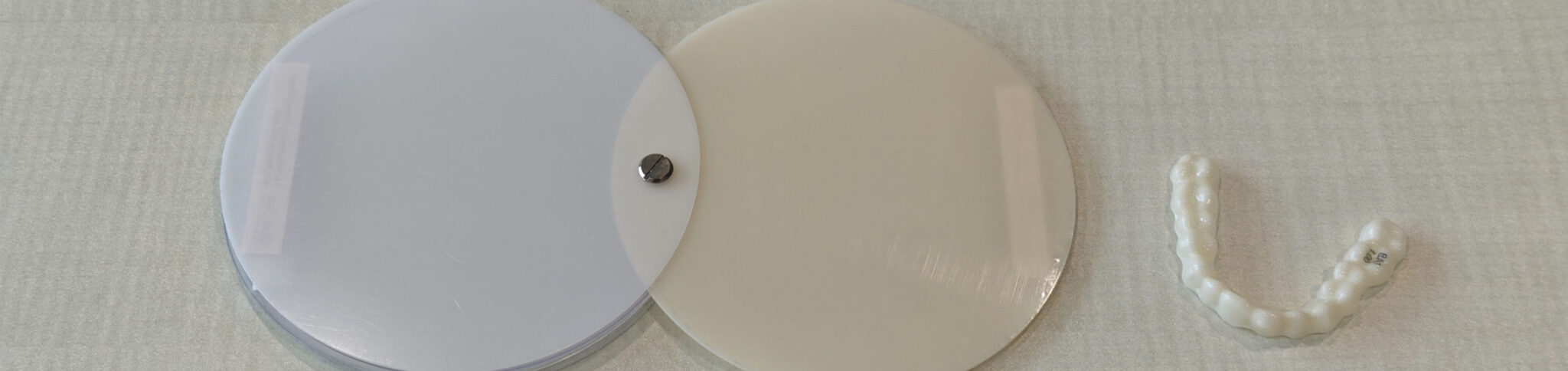
I want to walk you through what we learned, slowly and like a detective following clues: signs, measurements, device choices, and the subtle human things that matter. This is not a promotional pitch. It’s a practical narrative—observations backed by charts and real follow-ups. Stay with me; the next section digs into the pain points that most clinicians and patients miss.
Part 2 — The Hidden Flaws Behind Common Crowded Teeth Fixes
crowded teeth is often treated with a checklist approach: extract, align, retain. But that checklist misses nuance. I remember a patient with mild malocclusion and heavy anterior crowding who had brackets and archwire treatment, yet s/he returned with relapse in months. We tracked the cause—occlusion not addressed, soft-tissue pressure underestimated, and retention planned as an afterthought. Technically speaking, the classical sequence treats alignment as a finished product, not a dynamic system. That’s the flaw.
Why do standard fixes fall short?
Here’s the technical bit: when we assume aligners or fixed braces will hold teeth in place, we ignore periodontal forces and chewing patterns. Orthodontics is about more than moving teeth; it’s about managing biology. Brackets and aligners move teeth reliably, sure—but if occlusion and soft-tissue balance aren’t mapped, drift happens. Look, it’s simpler than you think: movement without stability equals relapse. I say this from direct casework—countless follow-ups and honest frustrations—so we started rethinking protocols instead of blaming devices. The result was clearer diagnostics and fewer surprises down the line—funny how that works, right?
Part 3 — Looking Forward: Case Examples and What to Try Next
Building on those observations, I tested a few different paths in a small case series. One example: a teenage patient with moderate crowding who began with precise occlusal assessment, selective interproximal reduction, and a short course of aligners, then transitioned to a bonded fixed retainer immediately after the final refinement. The follow-up at 18 months showed excellent alignment and comfort—no complaints about speech or hygiene. That case taught me how planning for retention from day one changes outcomes. We documented tooth movement, used digital scans, and adjusted archwire form where needed. The technique wasn’t revolutionary; it was deliberate.
What’s Next — Practical Metrics to Guide Choices
Moving into the future, I focus on three evaluation metrics before choosing a treatment path: stability potential (how likely teeth are to stay), functional balance (how the bite distributes force), and patient adherence (real-world follow-through on hygiene and appliance wear). I recommend scoring each metric and letting the combined result drive your plan. We used this framework and saw measurable improvement in relapse rates—true improvement, based on follow-ups and scans. Also—unexpectedly—the clearer plan reduced patient anxiety. I find that reassuring; we all want treatments that hold up long-term.
Conclusion — How to Judge a Treatment (Three Quick Metrics)
To wrap up, here are three practical evaluation metrics I use when comparing options for crowded cases: 1) Biological compatibility—does the plan respect periodontal health and occlusion? 2) Mechanical predictability—are the chosen appliances and archform likely to produce controlled, stable movement? 3) Behavioral fit—will the patient realistically follow retention and hygiene steps? Use these to assess trade-offs. I speak from hands-on experience and candid follow-ups; these metrics cut through marketing and focus on real results. In short: be precise, plan retention early, and never underestimate the bite. For more tools and resources, visit lulusmiles.