
The Moment You Look Closer: A Quick Intro
I was in a bathroom line when a friend whispered, “Do I look tired on camera?” We all laughed, then paused. The second we talked about best injectable fillers, everyone had a story. Market reports say more people try minimally invasive fixes each year, yet many still feel lost—numbers climb, confidence doesn’t (weird, right?). If you’ve heard about hyaluronic acid ha fillers and still hesitated, you’re not alone. Here’s the situation: so many names, so many zones, and then big words like cross-linking density and cohesivity. But what actually matters to your face and your day?

Here’s the real question: are we choosing fillers by buzz, or by fit? Think rheology, not rumors. Think tissue behavior, not trends. You want lift for cheeks, softness for lips, and safe integration for tear troughs—without a puzzle of guesswork. And yes, needle or cannula choices matter too. So let’s make this simple but smart—step by step—to set up a clean comparison. On to the deeper layer next.
Hidden Pain Points With HA Fillers (And Why They Stick)
What actually trips people up?
From the intro, one thing stands out: people sort by brand first, but skin cares about physics. Look, it’s simpler than you think. Why do some outcomes feel off? Because we chase “one-size-fits-all.” In real skin, gels meet movement, pressure, and light. If a gel brings high G’ (elastic modulus) but low cohesivity, it might lift but migrate in high-motion zones. If viscosity is too high, a narrow needle gauge may bruise more and slow the pass—funny how that works, right?
Another trap is ignoring rheology in thin areas. Under-eye skin is delicate; a filler with the wrong particle size or poor tissue integration risks the Tyndall effect (that bluish hue). Lips need flexible, shear-thinning gels that rebound, not stiff “cheek” formulas. Also, poorly matched injection planes can make even the best gel look bad. Add in fear of swelling and downtime, and users default to “less” instead of “right.” The fix is not more product. It’s better matching: zone-first selection, cannula versus needle by layer, and an eye on cross-linking type and cohesivity so the gel lives where it’s placed—and behaves there.
Comparing What’s Next: Principles That Change the Game
What’s Next
Forward-looking fillers aren’t just “more cross-linked.” They tune the network architecture: monophasic versus biphasic design, smart BDDE cross-link patterns, and controlled HA molecular weight. The goal? Predictable viscoelastic behavior in real tissue. In practice, that means gels engineered for specific strain rates—soft under motion, stable at rest. Think cheek supports with higher G’ and strong cohesivity for lift, versus tear-trough gels with low visibility risk and smooth spread. Delivery matters too. Microcannula techniques reduce trauma paths while guiding the gel along safe planes—less edema, better integration. When you compare products, don’t just read the name; map the profile to the zone.
Case in point: many patients say they want a “natural” look, but what they mean is stable contours under daily movement. That’s where advances in flow under shear, plus water-binding control, shine. Some lines now balance swelling ratio to limit post-injection puff, while keeping hydration over time. If you’re reviewing specs, place sodium hyaluronate injection options alongside new gel families and compare their G’ bands, cohesivity scores, and injection plane guidance (yes, those charts help). It’s a small shift—compare by principle, not by hype—and it pays off with fewer touch-ups and cleaner lines.
To wrap with something you can use tomorrow, here are three advisory metrics to score any HA filler choice:- Match G’ to zone and task: cheeks/jawline (higher G’), lips/tear trough (lower G’, higher flexibility).- Check cohesivity and cross-linking approach (BDDE pattern, monophasic vs biphasic) for tissue stability and migration control.- Confirm technique fit: needle gauge or cannula plan, recommended plane, and known Tyndall risk in thin skin.
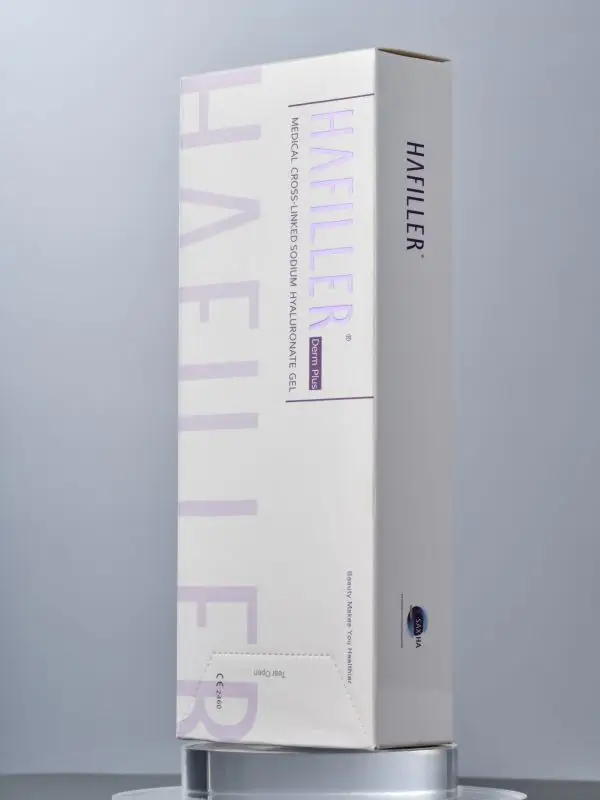
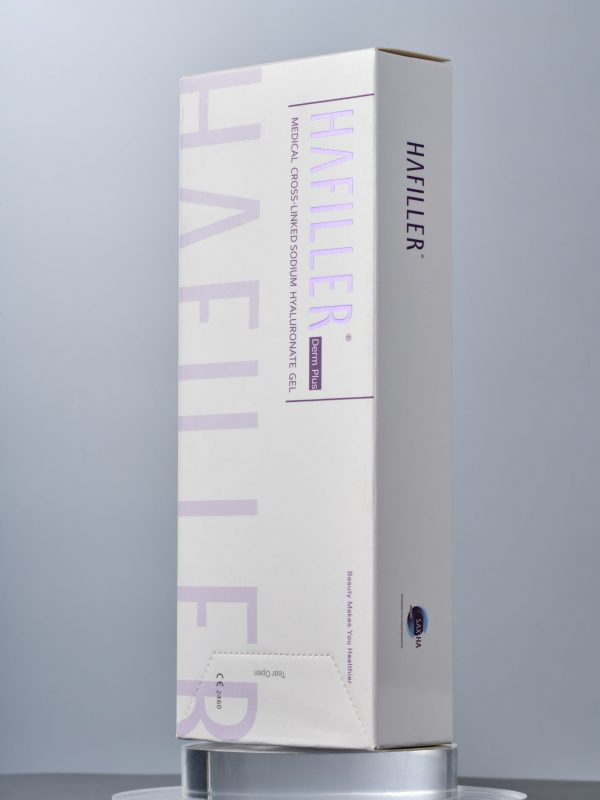
Keep it practical, keep it zone-first, and let physics guide the art—simple, not simplistic. For deeper specs and product families, explore HAFILLER.