
Boots-On-Ground Start: Costs, Weather, and a Hard Question
Here’s the blunt truth: the grid doesn’t forgive sloppy planning. I’ve run night shifts in dusty yards from Bakersfield to Odessa, and I’ve watched crews scramble when a control bug hit during peak. The second sentence names it straight—utility scale battery storage is only as good as the small decisions you make long before energization. In my seventeenth year building, buying, and fixing utility scale energy storage systems, one number keeps me honest: a 2–4% efficiency loss from avoidable parasitics can erase months of margin. So here’s the question that still nags me after every commissioning: are we picking capacity first and hoping controls catch up, or are we buying a system that can actually run the plan—day 1 through year 10? (I’ve seen both, and the difference is expensive.) Let’s get that out in the open and move.
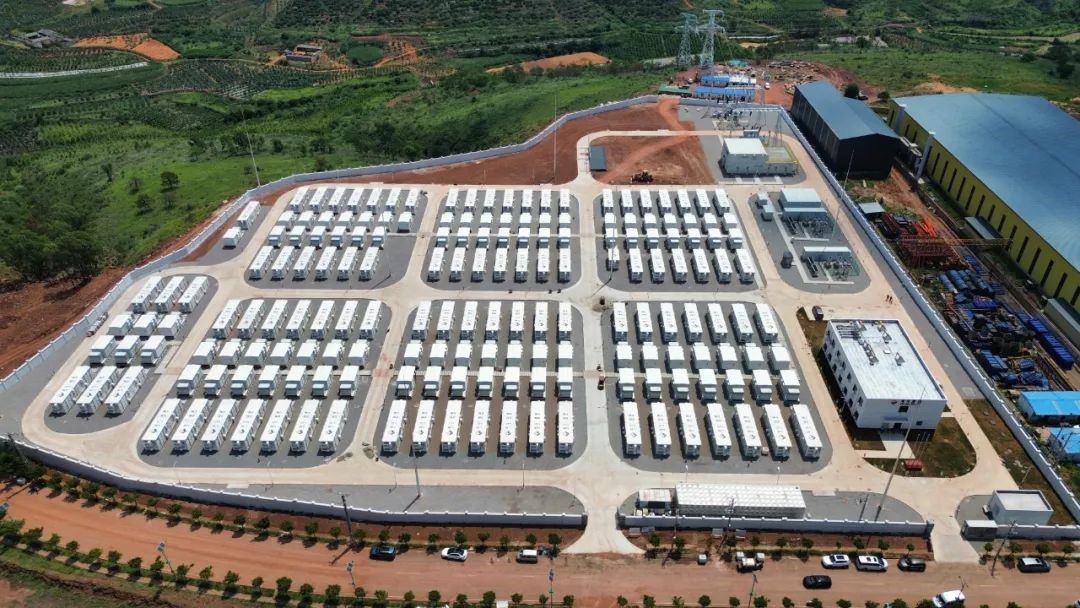
Where Traditional Fixes Fail in the Field
What’s really holding projects back?
I’ve seen fleets with good batteries and bad outcomes. Legacy AC‑coupled layouts stack a big step‑up transformer, a central power conversion system, and a one‑way energy management layer. On paper it works. In summer heat, it limps. You get state‑of‑charge drift between strings, reactive power penalties from slow power converters, and a SCADA polling delay that turns frequency response into guesswork. The old playbook hides parasitic load in HVAC and auxiliary circuits—3–5% on hot afternoons, easy. Worse, N‑1 events expose single points of failure. One central PCS hiccups and 50 MW goes dark—hours of lost revenue, not minutes. I still remember a Saturday in August 2022 outside Delano, CA: one firmware fault and a harmonics alarm forced us to run at 60% output to stay within the interconnect limits. That dial‑down cost $28,000 in a single peak window.
This is why I push for smarter utility scale energy storage systems with distributed control. Edge computing nodes at the rack cut decision latency. A tighter BMS‑EMS handshake keeps temperature spread low and improves cycle life. Put sensors where heat and current actually move, not where drawings say they should. And please—stop treating the commissioning script as the control strategy. People think a “bigger MWh” fixes curtailment. It doesn’t. Curtailment is an operational problem first. Without granular dispatch, you’ll still dump clipped PV and miss the 5‑minute price spikes that pay the bills. I’d rather own 100 MWh I can steer than 150 MWh that drifts. That preference has saved my teams from more than one invoice fight.
Comparing Principles That Actually Change Outcomes
Real‑world Impact
When I compare projects across years, two design principles keep winning. First, DC‑coupled PV+storage with string inverters and 1500‑V LFP racks captures clipped solar with fewer conversions. Fewer conversions mean fewer losses—simple math, real money. Second, distributed PCS blocks with fast droop control respond in sub‑second windows, so the plant meets frequency and voltage targets without over‑curtailing. In 2021, a 75 MW/300 MWh site we supported near Pecos, TX moved from a central PCS to three 25 MW blocks. Result: a 12% increase in revenue‑grade delivered energy during ERCOT volatility, and a 0.7 percentage point bump in round‑trip efficiency. That’s not theoretical—those meter reads paid for the redesign in eleven months. The same approach, paired with a cleaner EMS model, cut cold‑start time to under 8 minutes—useful when the grid is wobbling and the operator needs assets to stand up now.
Future builds of utility scale energy storage systems are leaning into this. Module‑level sensing, rack‑isolated fire zones, and black‑start pathways that are tested—not just promised—shift risk off the schedule. I’m seeing more sites spec silicon‑carbide power electronics to trim switching losses and heat. The next step is boring but big: firmware discipline. Lock the EMS model to site physics, not a generic template; map feeder impedance; tune droop once per season. A Kern County, CA retrofit in 2023 did that and cut nuisance trips by 41%—and I mean trips that used to knock 10 MW offline for the entire evening peak. We also pushed real‑time setpoints from the market gateway to the EMS via a low‑latency path, bypassing the main SCADA historian. It sounds small—until you stop missing those 5‑minute spikes. (Yes, even on dusty, 44°C afternoons.)

My closing advice is simple and earned. Use three hard metrics when you choose a solution. One: proven plant‑level response time from event detect to MW change under 500 ms, measured at the point of interconnect. Two: audited parasitic load at 40°C ambient, including HVAC and auxiliaries, no less than a 15‑minute high‑load test. Three: lifecycle throughput, stated as warranted MWh per rack and verified by a third party, not a slide deck. If a vendor can’t show those, you’re buying a promise, not a plant. I’ve lived the difference in dusty yards and on tense morning calls, and I’d rather face a tough spec review than another avoidable derate—tomorrow or ten summers from now. HiTHIUM