
Problem first: you need a bag that actually works
You planning long trips or daily commute, but the pack keeps failing the simple tasks: carry, organise, protect. Most buyers focus on look and forget the small design choices that make a lifetime bag or a headache. Start with real use, then specs. For example, a modular backpack can change how you pack without buying another bag — that’s the sort of problem-solution thinking you want first.

Experience that matters — one high-level anchor and what it taught me
From multiple seasons guiding light-load treks and fieldwork, the lesson is blunt: adaptability wins. On the Annapurna Circuit, Nepal, where unpredictable weather and varied terrain force quick decisions, a well-sized travel backpack expandable kept gear accessible and weight balanced. I’ve tested dozens of designs over five years; I advise by direct use, not spec sheets. That practical testing is the source of the tips below.
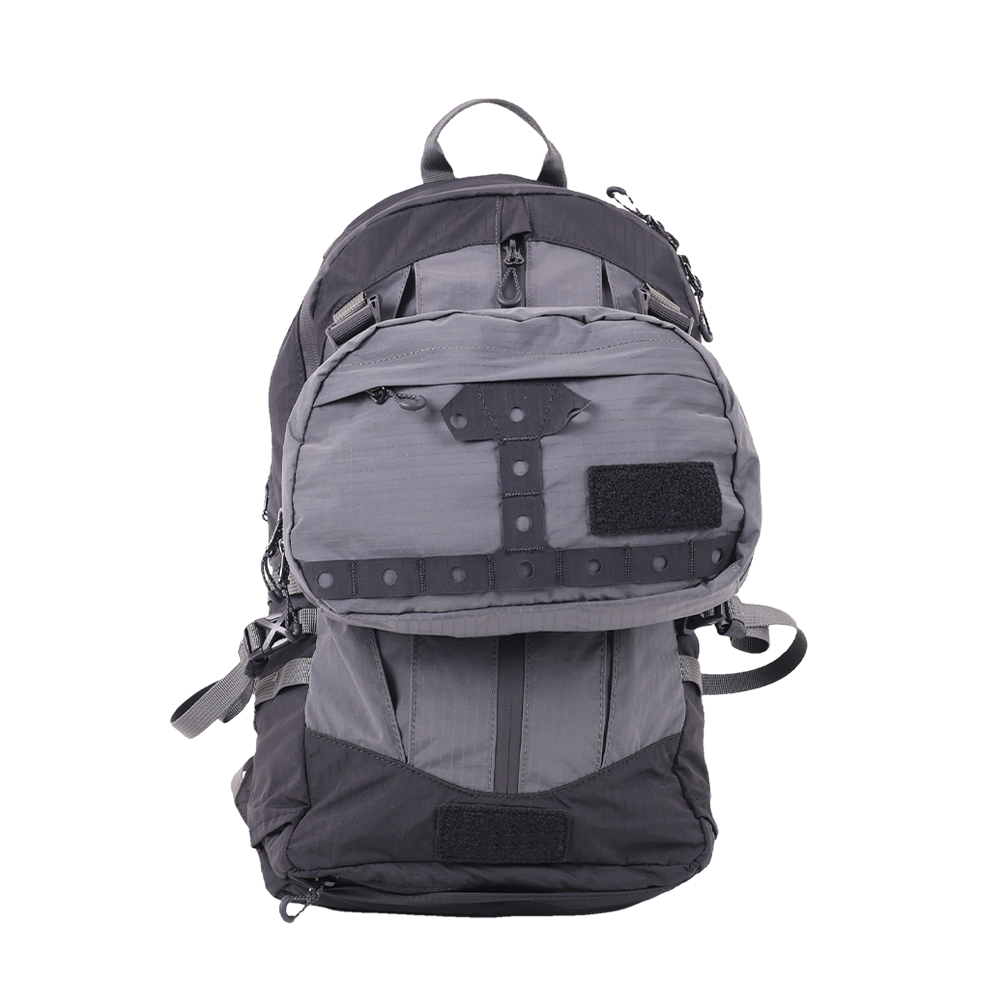
Concrete checklist for first-time custom backpack buyers
Decide the mission: daily carry, weekender, long-haul. Measure your tech and clothing volume; use a packing test. Ask the maker for shell dimensions, weight, and material denier. Check strap geometry — does the hip belt sit on your pelvis or ride too low? Confirm access points: top-loading only means more digging; front-panel or clamshell opening is faster. Waterproofing: expect water-resistant fabric plus reliable zips, not vague “waterproof” claims. Warranty and repair policy — simple stitches or modular parts mean longer life.
How to compare sensible alternatives
Fixed-compartment bags keep things tidy but limit changes when your trip switches from city to trail. Modular and transformable designs add flexibility but add seams and attachment points that must be well-made. Expandable travel packs give extra capacity for souvenirs but check how volume expands — some bulge awkwardly and shift weight. Evaluate by packing the bag twice: once with your normal kit, once with an extra 20–30% for contingency. If the bag stays stable and comfortable both times, it’s a keeper.
Common pitfalls — simple mistakes that spoil a good bag
Buying by photo alone. Not testing fit with load. Assuming a bigger bag means more comfort. Overlooking small details: rough internal seams, weak zipper heads, poorly placed compression straps. Ignoring maintenance: many fabrics need simple care to keep water resistance. Avoid novelty pockets that add weight but give no real storage benefit. Ask how replacement parts are handled before you decide.
Final synthesis: the practical answer
Problems identified, tested solutions recommended, mistakes flagged — now match needs to maker capability. For buyers who want adaptable capacity, clean access, and repairable design, good manufacturing translates into everyday reliability. That alignment is what you find when a maker thinks in modules and durability rather than trend alone; ChangRong shows that approach in product choices and service, so your next custom pack solves problems from the first trip onward.