

From Grooming Table to Checkout: Why Bottles Still Miss the Mark
I’ve watched a groomer finish a perfect bath, snap a photo, then curse when a serum bottle dribbled in her gear bag. Right there. The pet cosmetic bottle manufacturer got blamed, even though the real story is more layered. In the scramble to ship on time, many brands cycle through cosmetic pet bottle suppliers and hope the specs “hold.” The data says otherwise: even a 0.2 mm shift in neck finish can wreck torque retention and spike leak rates by double digits. That eats returns, ratings, and your mood—wicked fast.
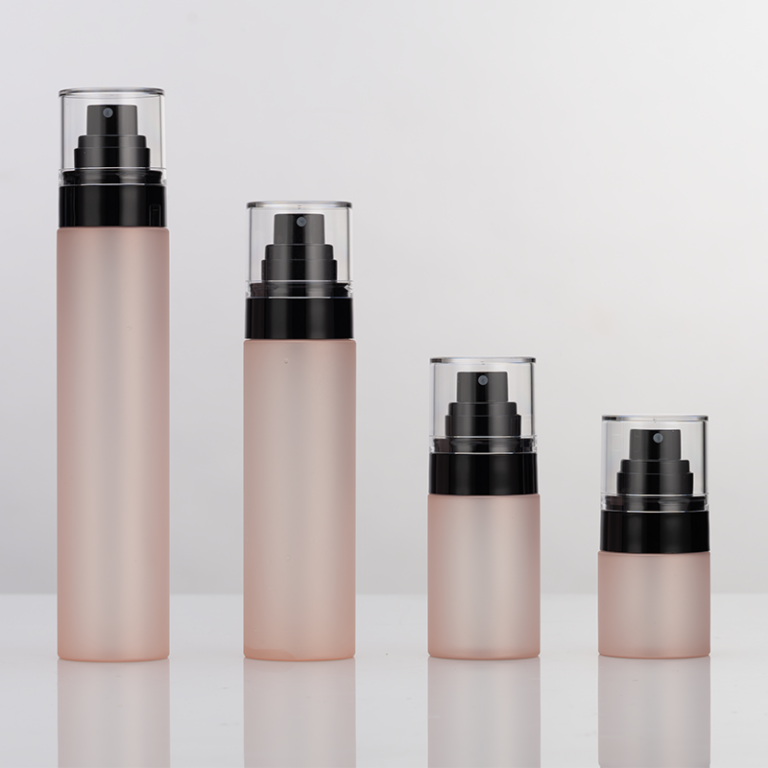
Here’s the rub (and it’s not just the label): legacy lines still treat bottle variance as “tolerable,” not a system to manage. ISBM settings drift, preform gram weight swings, and capper heads go out of tune. Meanwhile, consumers expect spotless bags and squeaky caps. So ask yourself—what do you actually control, and what do you only assume? (Because assumptions leak, too.) Let’s move from guesswork to a tighter play, and see how the usual fixes stack up against the problems they quietly create—funny how that works, right?

The Hidden Friction with Supplier Choices
Why do “good enough” tolerances still fail on the road?
Let’s get technical for a minute. Traditional buying leans on unit price and lead time, then treats the rest as “QC’s problem.” But the weak spots show up later: neck-finish ovality meets a high-viscosity shampoo, torque slips, and now the induction seal must do all the work. That’s not a plan; that’s a patch. Common flaws hide in three places: resin drift (PCR blend variance changes shrink), mold cavitation changes (your cavity #6 has gate blush and lower burst pressure), and sloppy AQL windows on capping. Look, it’s simpler than you think: when cosmetic pet bottle suppliers don’t align preform weight, thread spec, and liner selection as a stack, your line changeover becomes chaos. Add in lot traceability gaps and inconsistent drop test protocols, and you’re chasing ghosts from warehouse to groomer’s tote. The fix isn’t just “better QC.” It’s coordinated control over torque targets, resin grade (PET vs. PETG), and closure knurl depth—together—so the bottle, cap, and seal behave like one system.
Comparative Playbook: How New Lines Change the Odds
What’s Next
Now, compare the old patchwork to a new-technology approach. Modern lines use in-line vision plus micro-adjusted ISBM profiles to hold neck concentricity within tighter bands. They pair that with servo-driven cappers that log every torque event, not just samples. The principle is simple: control the inputs, close the loop, and stop letting randomness make your reputation. A well-instrumented pet cosmetic bottle factory will tie preform moisture content, oven zoning, and stretch ratio to cap performance and seal peel strength. That means fewer surprises after a week in a hot van. Add barrier coatings or heavier gram weight only when needed, based on viscosity index and shipping profile—not because “we’ve always done it.” Small change, big win—and yes, it shows up in returns data.
Real-world impact looks like this: fewer SKU-specific headaches, faster line changeover, and steadier capping efficiency. Instead of debugging leaks at the warehouse, you dial in torque targets by viscosity band and closure liner type, then validate with accelerated aging and vibration tests. You compare lots in minutes, not days. If procurement thinks in MOQs alone, they miss the better metric: stable Cp/Cpk on neck finish and a cap spec that keeps torque retention above threshold after thermal cycling. That’s what modern control buys you—predictability. And less scrambling on a Friday afternoon—because we’ve all been there.
Advisory close-out, quick and clean: 1) Verification depth: demand neck-finish Cp/Cpk, liner compression set data, and seal peel curves (not just “pass/fail”). 2) System fit: ensure resin grade, preform gram weight, and closure profile are validated as a stack under drop test and vibration. 3) Traceability and feedback: require lot-level torque logs, AQL sampling plans, and corrective-action speed. Choose the team that proves control, not just promises it. For steady, scalable outcomes, keep your eye on the whole system from preform to cap wrench—then score vendors against those three. Learn it once, and you’ll ship calm. NAVI Packaging