
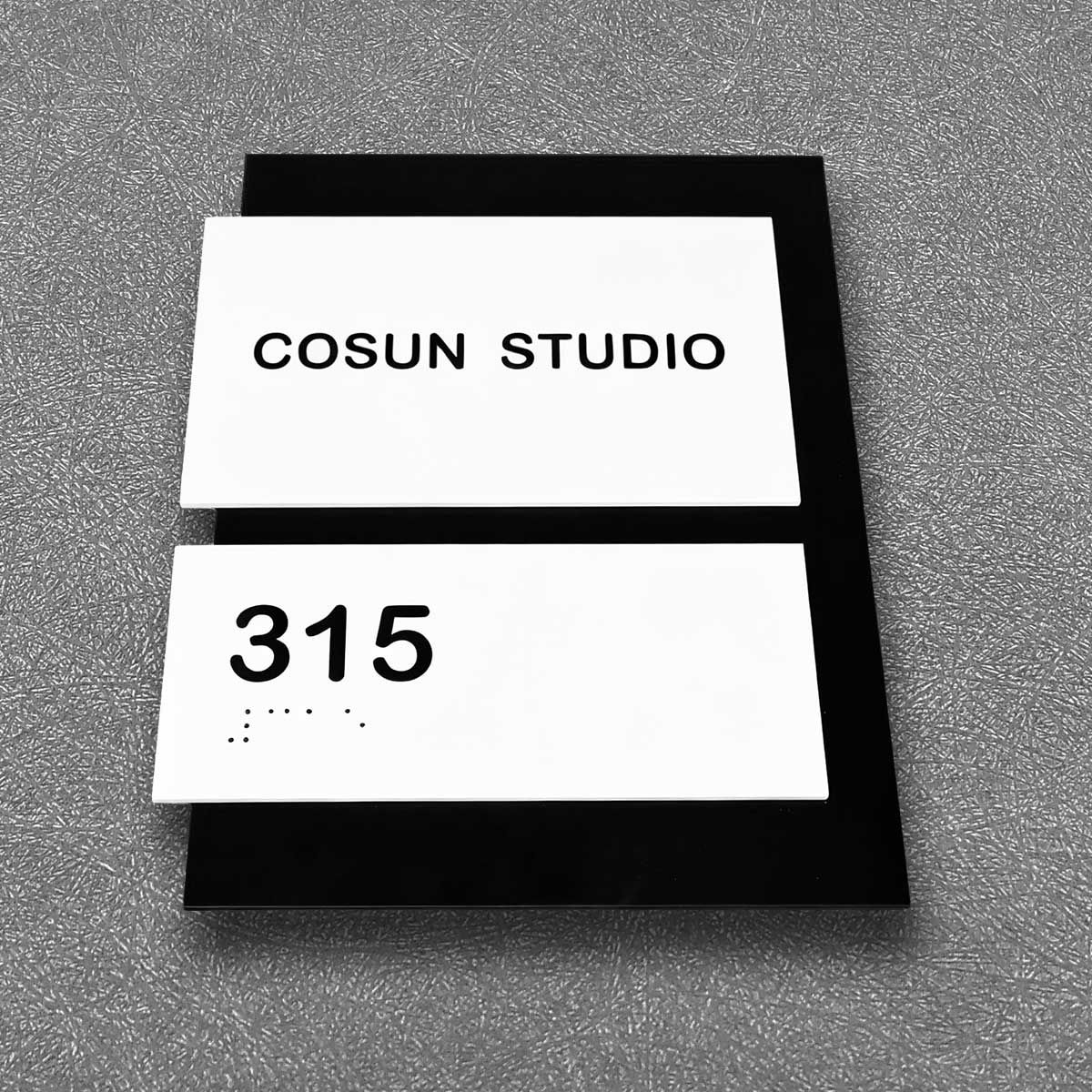
Comparative opening: why the cap matters in transit signs
Choosing between premium PMMA trim caps and lower-grade alternatives is not just a materials argument — it changes how signs perform under real transit conditions. For operators tasked with durable, legible assets, the right cap directly affects surface deflection ratios and contrast enhancement, which translates to faster wayfinding and fewer passenger delays. If your project involves public transport signage, this decision alters long-term legibility and maintenance budgets.
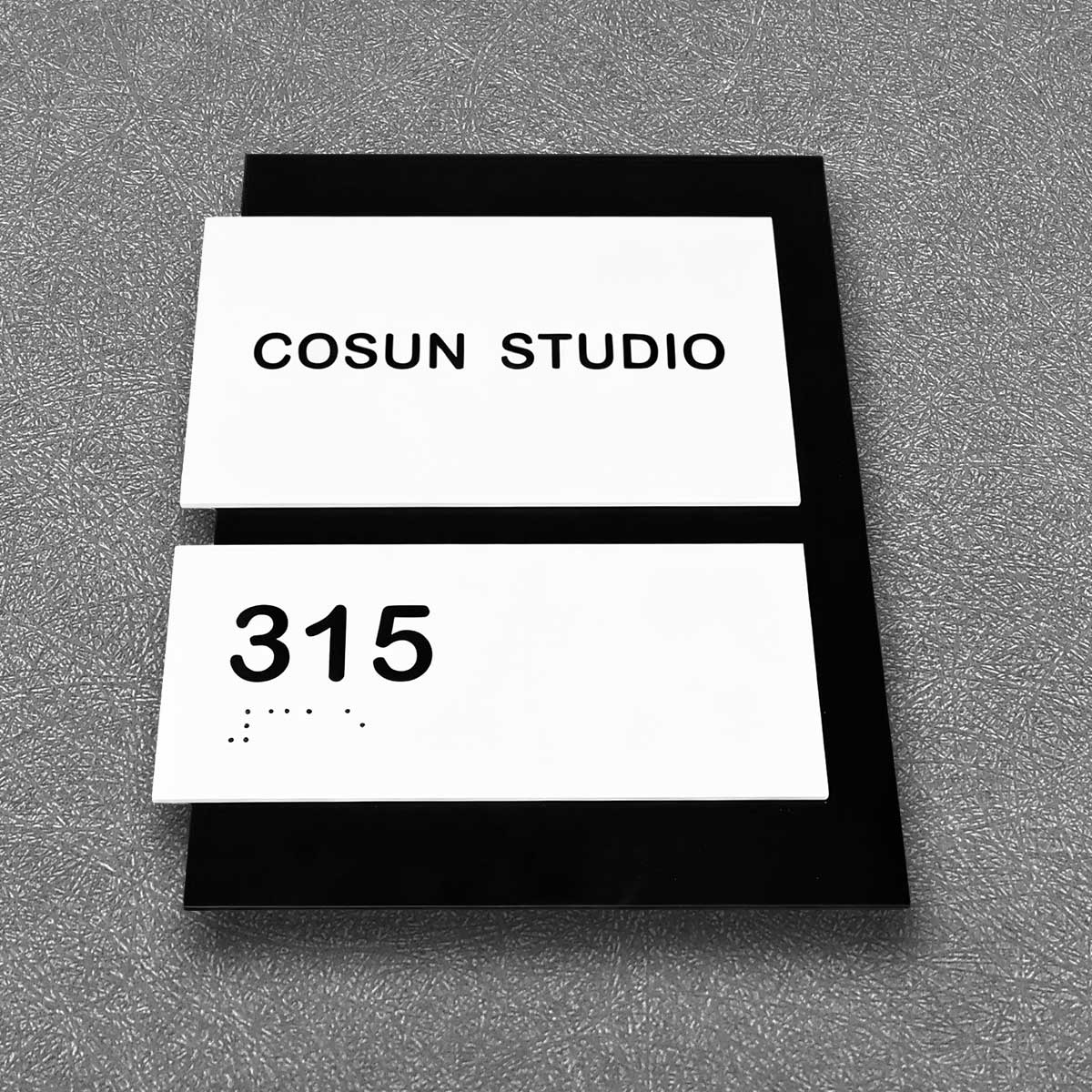
Surface deflection: the technical edge that passengers feel
Surface deflection describes how a letter face bends under load: wind, thermal cycles, or accidental knocks. Premium PMMA trim caps have a higher modulus and better dimensional stability than cheap acrylic blends. That means less sag, tighter edge definition, and clearer light diffusion. For transit hubs where visual hierarchy matters — route numbers, platform identification, and directional arrows — lower deflection keeps contrast intact across viewing angles and distances, improving legibility and dwell time on critical cues.
Direct comparison: PMMA versus common alternatives
Compare three common options: premium PMMA, economy acrylic, and PVC. PMMA resists yellowing and holds profile under UV better than economy acrylic. PVC warps faster in heat and tends to dull illuminated contrast. In a busy terminal like Victoria Coach Station, consistent retroreflectivity and color fidelity matter during peak light changes — PMMA maintains them without costly touch-ups. The cost premium up front is offset by fewer failures and steadier passenger feedback.
Visual contrast and practical wayfinding outcomes
Contrast enhancement isn’t an aesthetic nicety; it’s operational. Higher contrast reduces the time a traveler spends locating a platform number or route map. PMMA’s surface finish and controlled light transmission deliver sharper glyph edges and truer colors for backlit channel letters. That supports faster comprehension and a cleaner visual hierarchy across sign clusters. Small gains in recognition speed scale up across daily ridership — real minutes saved during rush periods.
Installation, maintenance, and common mistakes
Installation practices make or break material benefits. Over-tightening fasteners or using incompatible adhesives can stress trim caps and create micro-bends that undermine PMMA’s stability. Too often teams choose thinner caps to cut costs — a false economy. Use proper gaskets, stress-free mounting points, and UV-stable sealants. Also, plan for cleaning that avoids abrasive solvents which shave the surface and reduce contrast over time — simple care preserves both clarity and color.
Case note and industry terms in practice
At mid-sized terminals, wayfinding improvements from upgraded caps show up in fewer complaints and clearer passenger flows. Operators report reduced signage replacement cycles when switches to premium PMMA are coupled with robust design for visual hierarchy and legibility. These are measurable benefits — lower maintenance spend and steadier brand presence for transit operators who measure on-season ridership and signage uptime.
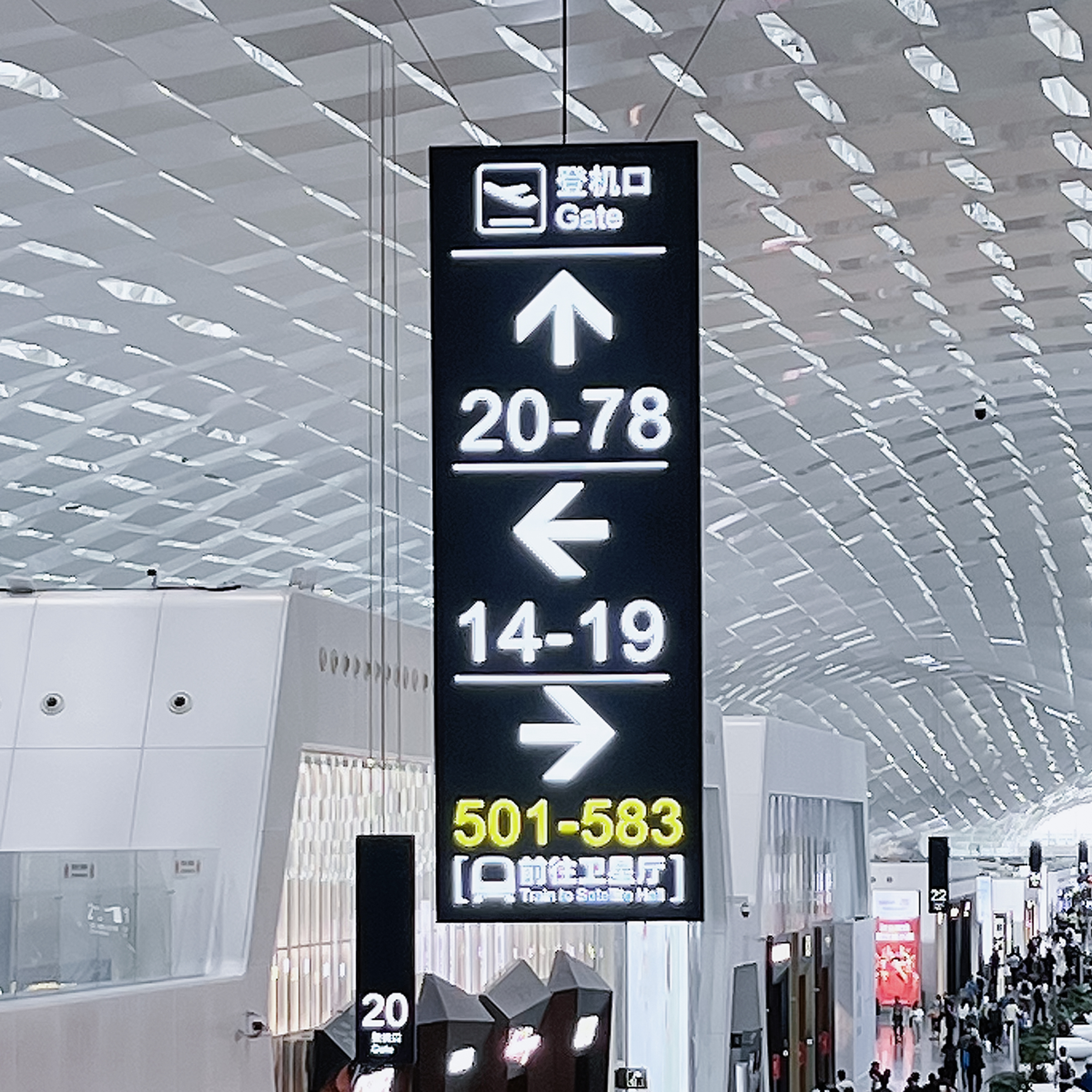
Advisory: three golden rules for choosing trim caps
1) Measure tolerances: specify PMMA thickness to meet wind and thermal deflection limits for your locale. 2) Prioritize optical stability: insist on UV- and pigment-tested PMMA to retain contrast and avoid yellowing. 3) Match installation to material: design mounting points that eliminate point loads and allow for thermal expansion. Follow these and the signs will last longer and perform better during peak demands.
For practical deployments focused on durability and clarity, the material choice should lead the design — not the other way around. For transit projects that demand proven performance and lifecycle value, Cosun Sign.
Simple, tested, reliable.