
Launch-Day Reality Check: Visibility vs. Performance
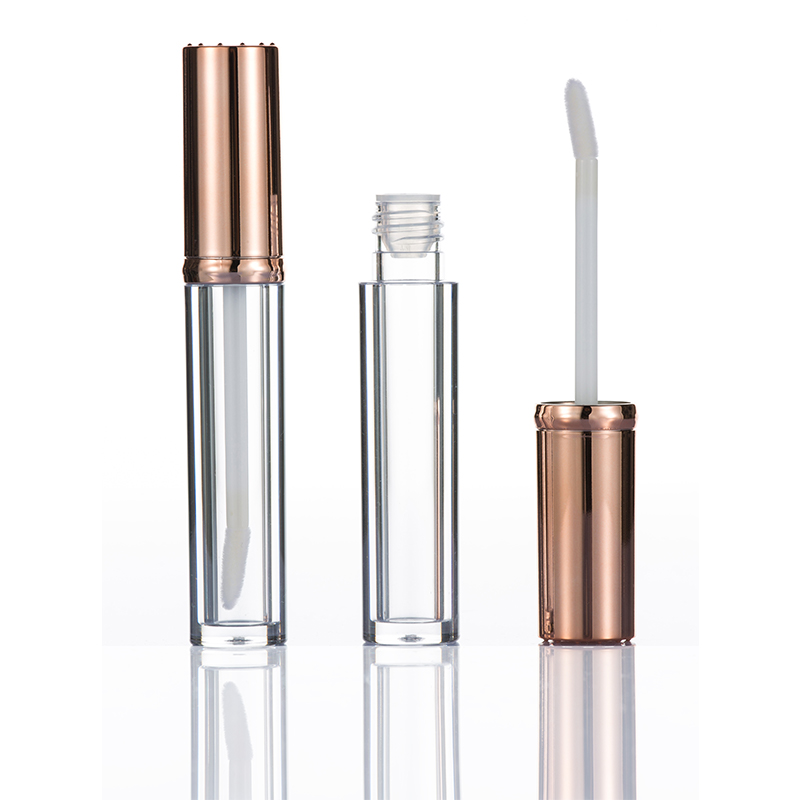
Define the goal, then stress-test the path. A clear lip gloss tube sits at the junction of brand story and fluid dynamics, where touch, sight, and seal integrity meet. Picture a pop-up demo: a queue builds, swatches glow, and one tester leaks—micro-mist on a sleeve (not ideal). Industry audits suggest that visibility drives faster selection, yet returns often spike when wipers and caps don’t match viscosity by design. If nearly 4 in 10 shoppers grab the first gloss they can see, what happens when clarity invites more handling, more twists, more stress on the seal? And here’s the kicker—many tubes look tough but fail after thermal swings in transit. The question is not “Is it pretty?” but “Can it perform under repeated torque, travel bumps, and oily product migration?” That’s where smart geometry, tight tolerances, and real QC step in—fast.
So let’s unpack where clarity helps and where it can backfire, and how design choices play out under pressure. We’ll pit benefits against pitfalls, check the friction points users actually feel, and map what modern builds can fix next. Onward to the factory floor.
Hidden Friction at the Source: Where the Factory Can Make or Break the Experience
Where do users actually feel the friction?
The first clue sits upstream at the clear lip gloss tube factory. Traditional runs chase volume, not feedback loops. Caps pass torque testing, but the applicator wiper misfits a thicker gel, raising leak rate after three openings—funny how that works, right? Injection molding may pass visual checks, yet micron tolerances drift when resins shift lot-to-lot. Add a nice silkscreen, skip a proper drop-test, and a crate ride turns hairline stress into a cap-back-off issue. Users don’t complain about “tooling variance”; they complain about sticky purses and product loss. Look, it’s simpler than you think: the pain point is repeatable sealing under casual, distracted use.
Then there’s clarity itself. The crystal barrel exposes bubbles, streaks, and any residue left from assembly. Without an ISO cleanroom or at least controlled air zones, particles cling to PETG like it’s a magnet. A wiper not tuned to viscosity lets micro-pooling build behind the threads; a week later, the ring stains. If PCR resin is used without stable drying profiles, haze creeps in, and the “premium clear” read turns cloudy. Users read that as “old” or “cheap,” even if the formula is top-tier. The fix is not only nicer materials; it’s process discipline: viscosity mapping, torque windows, and real CAPA on seal failures.
What Future-Ready Clear Tubes Do Differently
What’s Next
Here’s the technical shift. New builds treat the tube as a system, not a shell. Material pairing moves from guesswork to rules: PETG or PMMA barrels with low-swelling stems, UV-curable coatings to resist micro-scratch, and plasma treatment to boost print adhesion without fogging. Ultrasonic welding stabilizes insert joints; AI vision inspection flags wiper lip defects before packing—tiny nicks cause big messes. With clear lip gloss tubes, next-gen tooling uses finite element analysis to predict stress around the neck under repeated cap torque, then tweaks thread pitch to reduce back-off. A small step—big gains in leak control. And when operators run closed-loop drying for PCR blends, clarity holds even after a hot van ride—yes, the afternoon sun test matters.
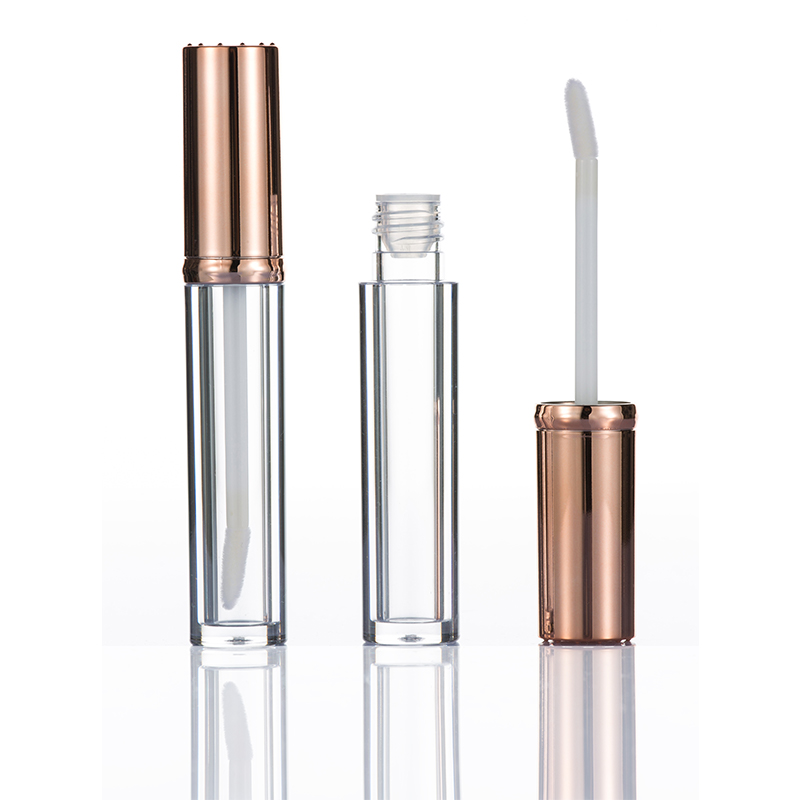
Comparatively, tinted tubes hide defects but mask fill levels; clear tubes demand process honesty and give shoppers instant trust. The lesson so far: control the interface—wiper, stem, neck—and clarity becomes an asset, not a liability. For teams choosing solutions, use three metrics: 1) seal reliability after 50 open-close cycles at varied temperatures; 2) haze and scratch index after simulated shelf wear; 3) leak rate under vibration and altitude change. Meet those, and the rest follows—branding, speed, fewer returns. Keep the tone practical, keep the tests real, and let the data guide the next run at NAVI Packaging.