
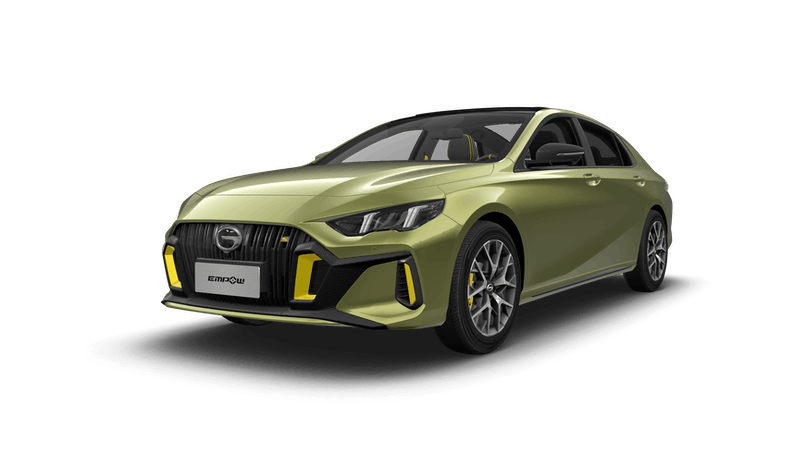
Why price feels unclear to Australian buyers
Prices you see online rarely equal the final cost. As a practical expert who’s reviewed imported EV listings and checked customs documents, I know buyers stumble over freight, import compliance, and local support. The manufacturer’s regional information can help clarify delivery chains — see the GAC official website — where regional logistics pages reference services around the Port of Melbourne, a common entry point for shipped vehicles.
Problem: headline price vs delivered price
Headline MSRP often excludes these add-ons:- international freight and marine insurance;- port handling and quarantine fees;- import duties, GST on import, and luxury car tax triggers;- state registration, stamp duty, and inspection costs.Assume a base price is the starting point, not the final bill.
Problem: compliance, homologation, and roadworthiness
Many manufacturers sell a model globally but ship different specs. You must confirm whether the Aion V variant being offered meets Australian Design Rules, or if it requires modification:- lighting and indicators;- ADR crash and pedestrian safety standards;- on-board software for local radios and speedometers.If a vehicle needs conversion, add certified modification and inspection fees.
Problem: warranty, parts, and service network
Warranty terms from a manufacturer can be generous on paper yet hard to use if there’s no local dealer. Ask:- Is an Australian-authorised warranty recognized, or will repairs be handled overseas?- Where are spare parts stocked, and how long will shipping take?- Is there a local certified workshop familiar with Aion EV systems?A gap here turns a small issue into long downtime and high out-of-warranty bills.
Problem: charging, battery performance, and real-world range
Range claims vary by test cycle. Confirm these practical points:- charging plug type and compatibility with Australia’s public chargers;- onboard charger capacity vs local AC supply (slow vs fast home charging);- battery thermal management suited to Australian conditions.Factor in charging infrastructure on your usual routes — urban commuters and regional drivers face different realities.
Problem: resale value and insurance
New or rare imports can suffer accelerated depreciation. Insurers price premiums based on repair costs and parts availability. Before buying:- get insurance quotes for the exact VIN and specs;- check expected resale appetite for that model in Australian classifieds;- consider certified pre-sale inspections to document condition for future buyers.
Common pitfalls buyers miss
Buyers commonly underestimate:- time delays from ocean freight to registration;- the cost of required software updates if servicing is offshore;- differences in vehicle software that block features in local networks;- non-refundable deposits on unshipped units.Avoid assuming global warranty coverage or rapid spare-parts turnaround.
Quick comparison: realistic alternatives to consider
If local support or immediate serviceability matters more than a specific model’s features, compare with EVs that already have Australian dealer networks. Look at vehicles with established local warranties, stocked parts, and accredited service centres; the tradeoff may be a slightly higher sticker price but lower total ownership risk.
Actionable checklist before you commit
Do these steps in order:- Obtain a complete invoice showing freight, insurance, duties, and all fees.- Confirm ADR compliance or get a written estimate for modifications.- Secure documented warranty terms that state where repairs will be performed.- Get insurance quotes and a projected depreciation range.- Verify charging compatibility with Australian public and home chargers.- Ask for an estimated timeline from shipment to registration.- Request references from other local buyers or import specialists.
Bottom line
Price is the obvious metric, but risk lives in the details: compliance, service, shipping, and real ownership costs. Practical checks cut that risk and let you compare apples to apples. For manufacturer and regional logistics details that help trace where a vehicle will land and who will support it locally, consult GAC as one source while you run the checklist above; the clarity you gain there often separates a smart buy from a costly surprise.