
A stepwise review of Fixed Multi Gas Detector for teams working through documentation technical review
When a technical buyer reviews a fixed multi gas detector, the main task is not to collect impressive specifications. It is to build a clear record of what the documentation states, which requirement each detail addresses, and which questions remain open. This approach helps a team compare information without quietly treating an assumption as a confirmed product attribute.
Start with the operating context
Before reviewing a page or catalogue, write down the context that the equipment must fit. The record might include the intended area, the preferred mounting concept, the control or monitoring interface, and the information needed for design coordination. These are review inputs, not conclusions about any particular detector.
Keep the first pass deliberately neutral. A requirement such as “wall-mounted installation” is different from a statement that a particular device is suitable for every wall, room, plant area, or environmental condition. Likewise, a preferred electrical interface should be recorded as a requirement before it is matched to a product specification.
A simple review table can separate the work:
- Requirement: what the project or operating team needs to consider.
- Page evidence: the exact wording or specification that relates to it.
- Scope: the named model, product family, or general category covered by that evidence.
- Status: stated, not stated, or requiring a technical question.
This structure makes the document useful to procurement, engineering, and operations without turning a short product description into a complete design approval.
Separate compatibility from responsibility
Technical review often involves several responsibilities. A buyer may compare catalogue information, an engineer may assess interfaces, and an integrator may need to coordinate the detector with other equipment. The review should show those boundaries rather than presenting one page as an answer to every design question.
For each specification, ask what decision it can support. An output description may inform an interface discussion. A mounting description may inform a mechanical review. A protection category may become one item in an environmental assessment. None of these statements, by themselves, establish complete site suitability, certification status, alarm strategy, or installation responsibility.
It is also useful to distinguish three kinds of wording:
- Direct evidence: a detail stated for a named model on the cited page.
- Interpretation: a reasonable connection between that detail and a buyer’s requirement.
- Open question: a point that the available wording does not settle.
Only the first category should be presented as a product fact. The second should be labelled as review reasoning, and the third should remain visible in the technical discussion. This prevents a comparison sheet from gaining certainty as it passes between teams.
Use page-level evidence carefully
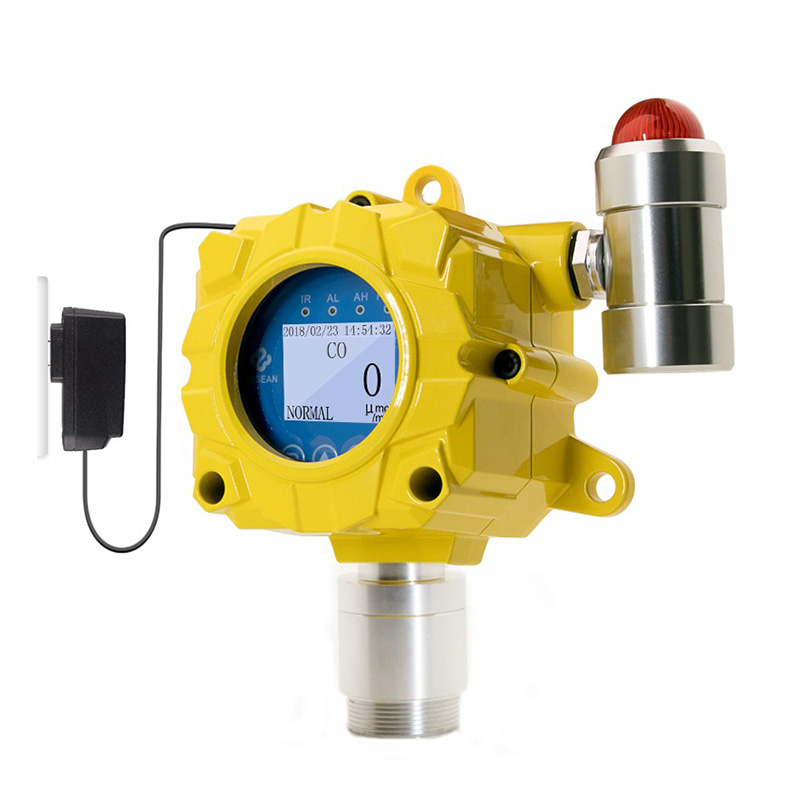
The K-G60 page provides a useful example of page-level evidence. Its specifications list 4–20 mA output, RS485 input, wall mounting, and IP66. These details can be copied into a review against the K-G60 name and the cited Bosean page. They should not automatically be transferred to another model or expanded into claims about certification, site suitability, safety outcomes, or configurations not listed there.
In the middle of a technical review, the phrase fixed multi gas detector should therefore identify the subject of the comparison, not act as evidence of a particular configuration. The buyer can use the phrase in a requirement heading, then attach each specification to its exact source and model. This keeps the category discussion separate from the page-specific record.
A practical evidence note could read as follows: “K-G60 page: 4–20 mA output; RS485 input; wall mounting; IP66.” The next column should explain why each item matters to the current review. For example, the interface details may be relevant to a controls discussion, while the mounting and protection details may be relevant to mechanical and environmental questions. That explanation is a planning aid, not a claim that the review is complete.
When two pages use similar language, compare the scope before combining the entries. A shared term does not prove that the same specification applies across models. Keeping the source location beside every row gives reviewers a way to trace a statement back to the page that supports it.
Plan the next technical discussion
Once the evidence table is drafted, turn unresolved points into focused questions. Good questions name the model, the requirement, and the decision affected. They might ask which documented detail applies to the intended interface, what installation information belongs in the design package, or which stated specification should be used for a particular review line.
Prioritise questions that could change the comparison. A question about whether a specification belongs to the named model is more important than a request to rearrange descriptive wording. Similarly, an interface question should be kept distinct from a general request for product information. This makes the next supplier or engineering discussion easier to manage.
Record the outcome in the same table. If a point is answered, add the new source and its scope. If it remains open, keep it marked as open rather than filling the gap with an assumption. A dated revision note can also show which version of the page or document informed the discussion, without implying that the product itself has changed.
The result is a defensible review record: requirements are visible, evidence is tied to a named source, interpretations are labelled, and unresolved items have an owner or a next question. For teams assessing information from Bosean, this disciplined approach keeps the K-G60 page details useful while preserving the boundary between catalogue information and project-specific technical judgement.